Hikey
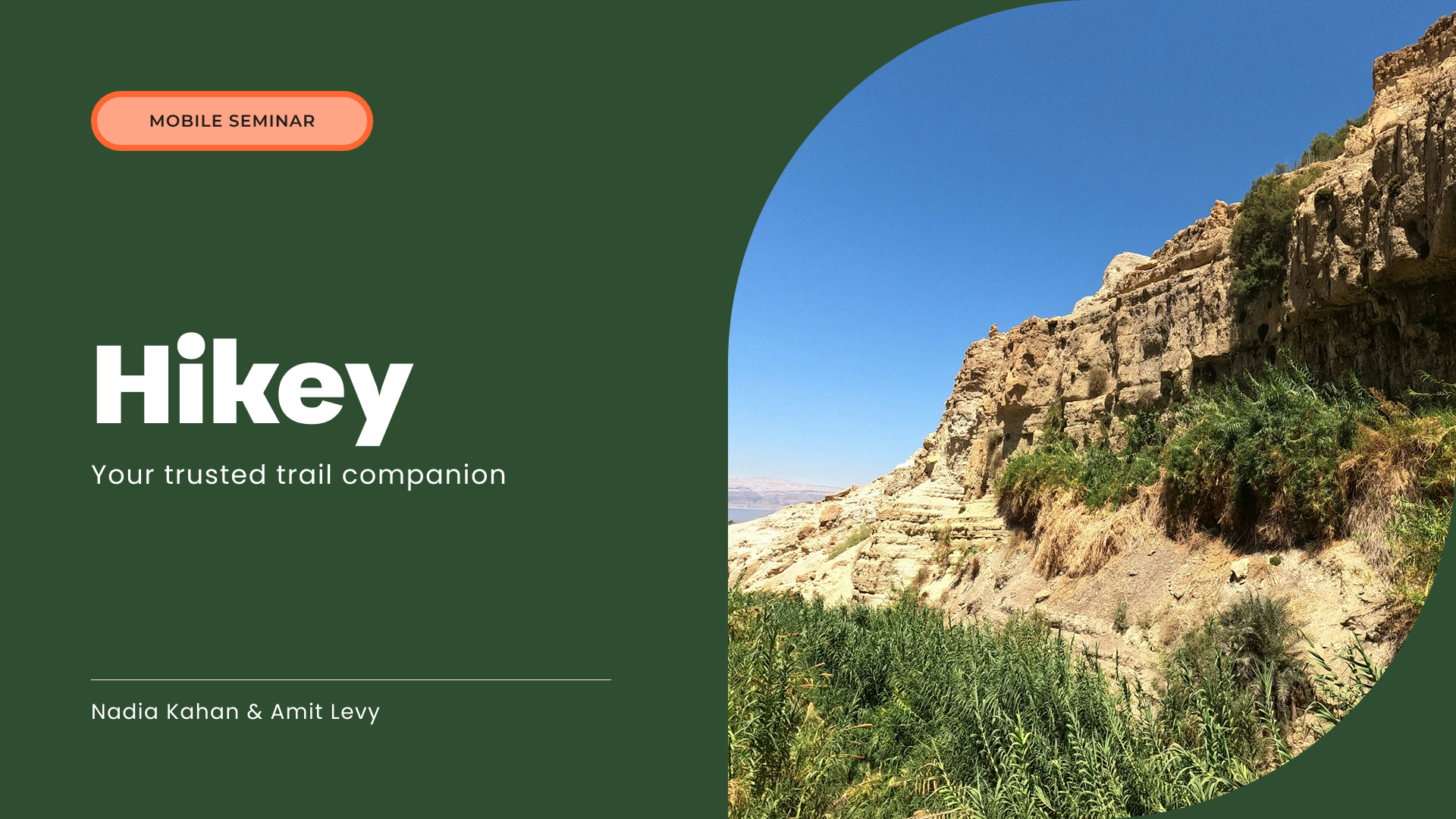
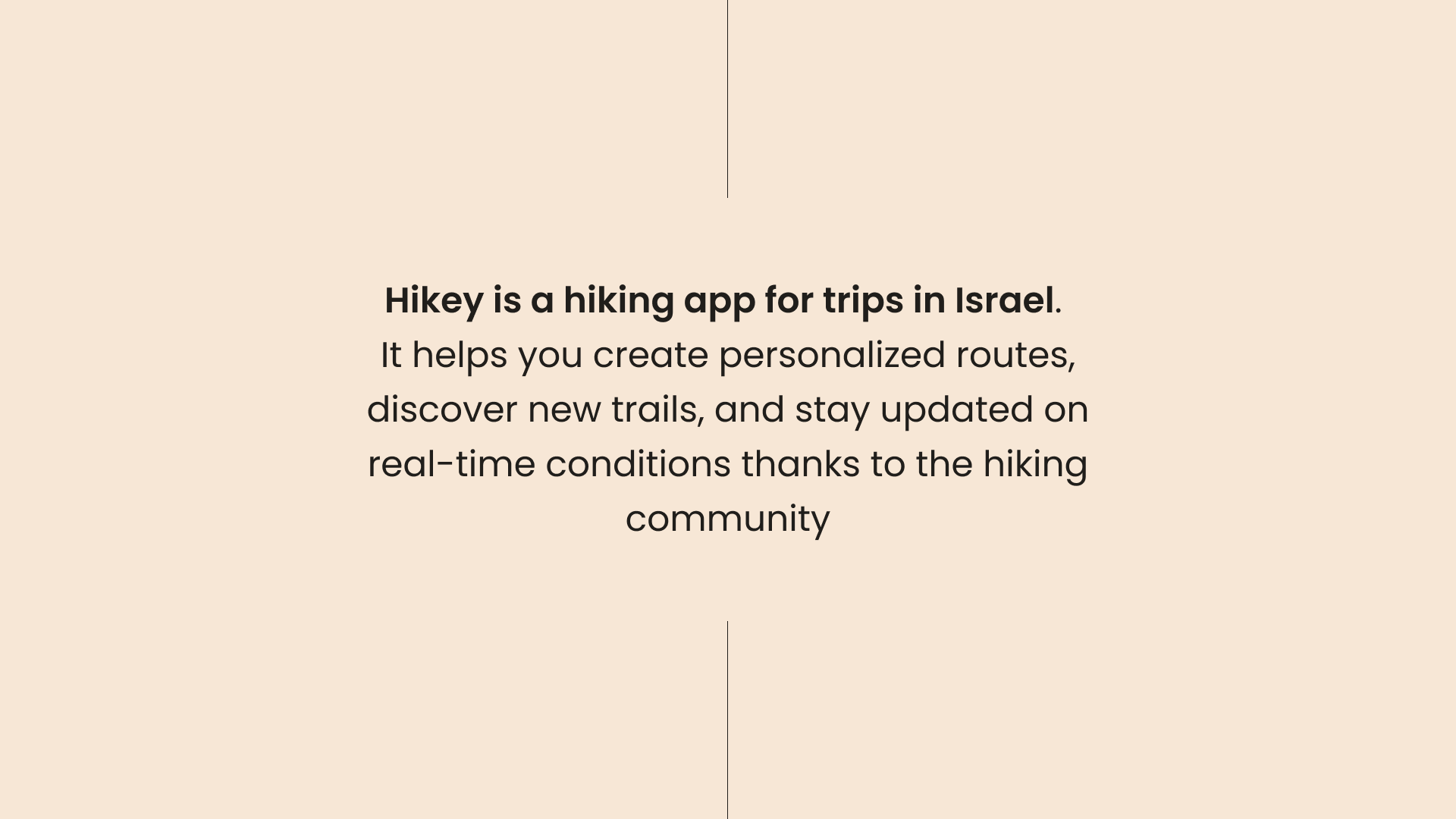
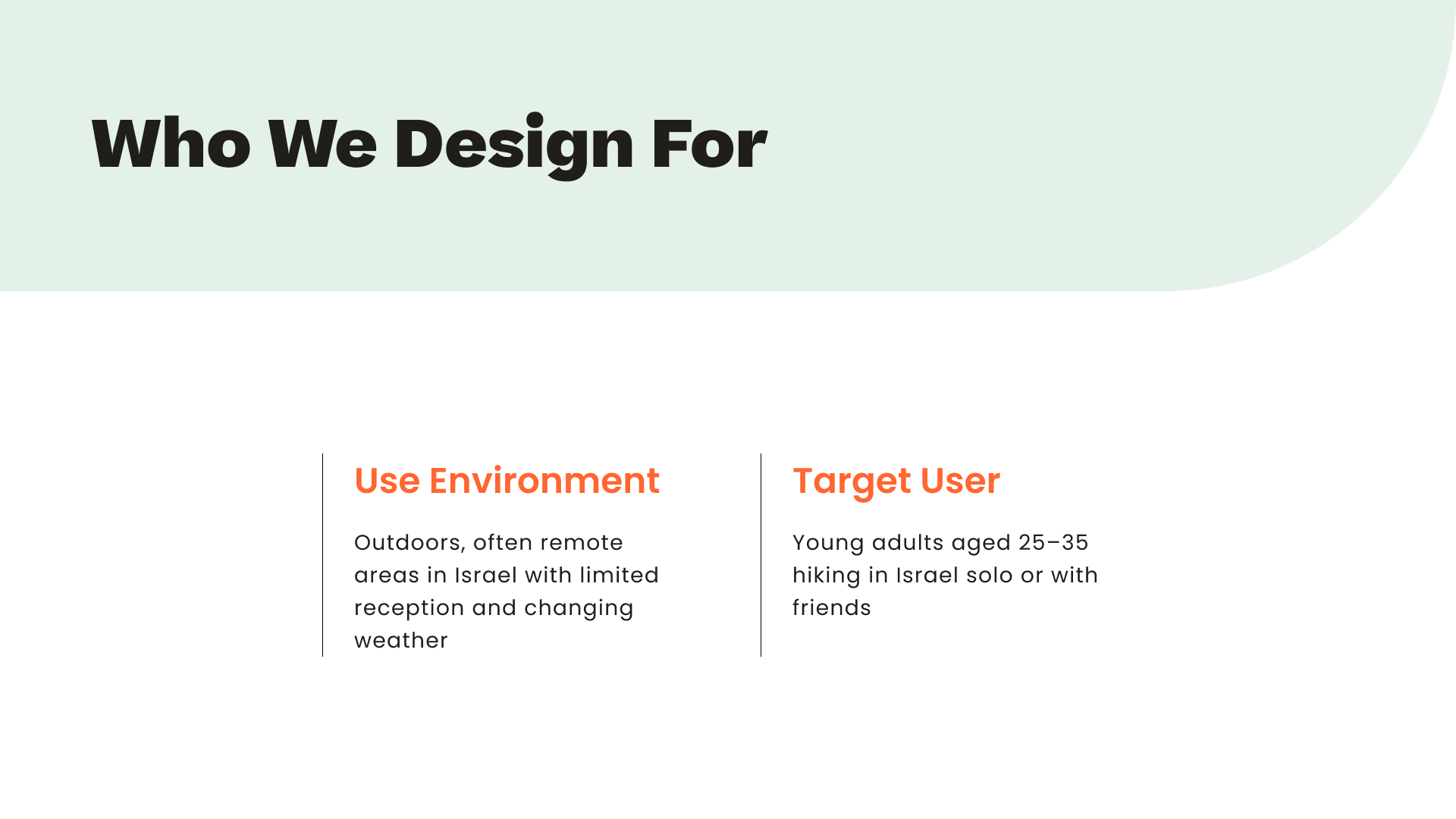
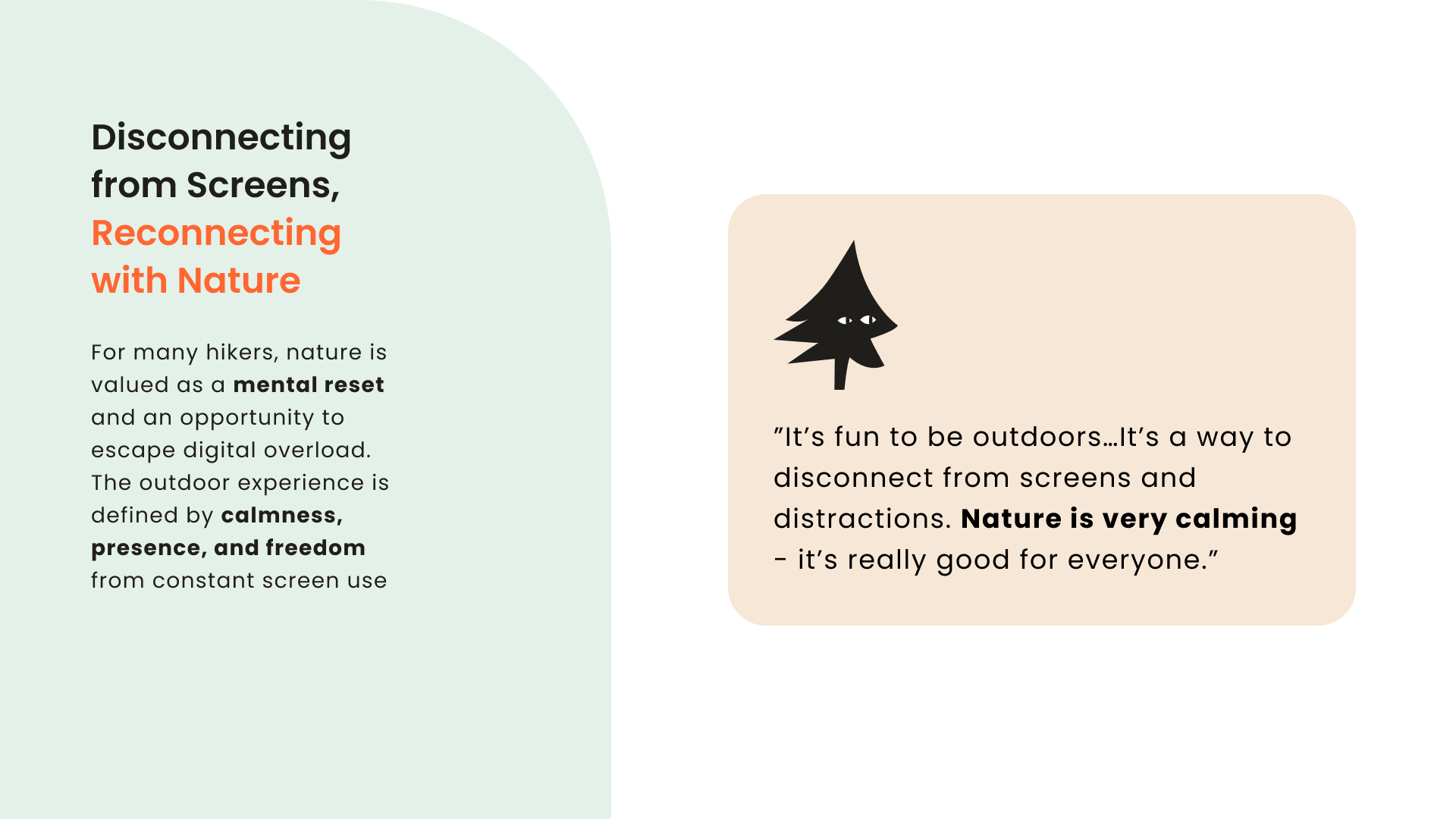
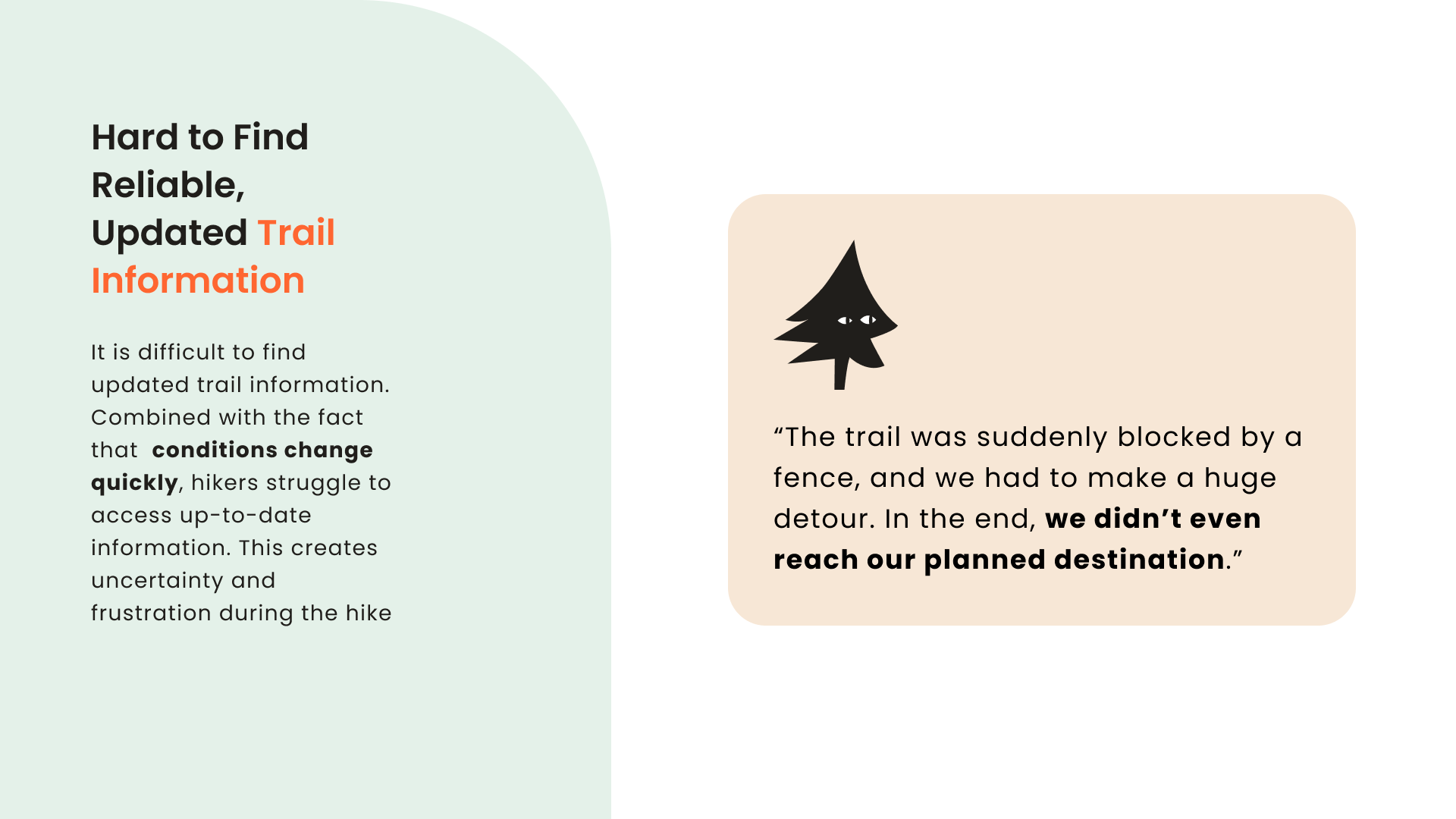
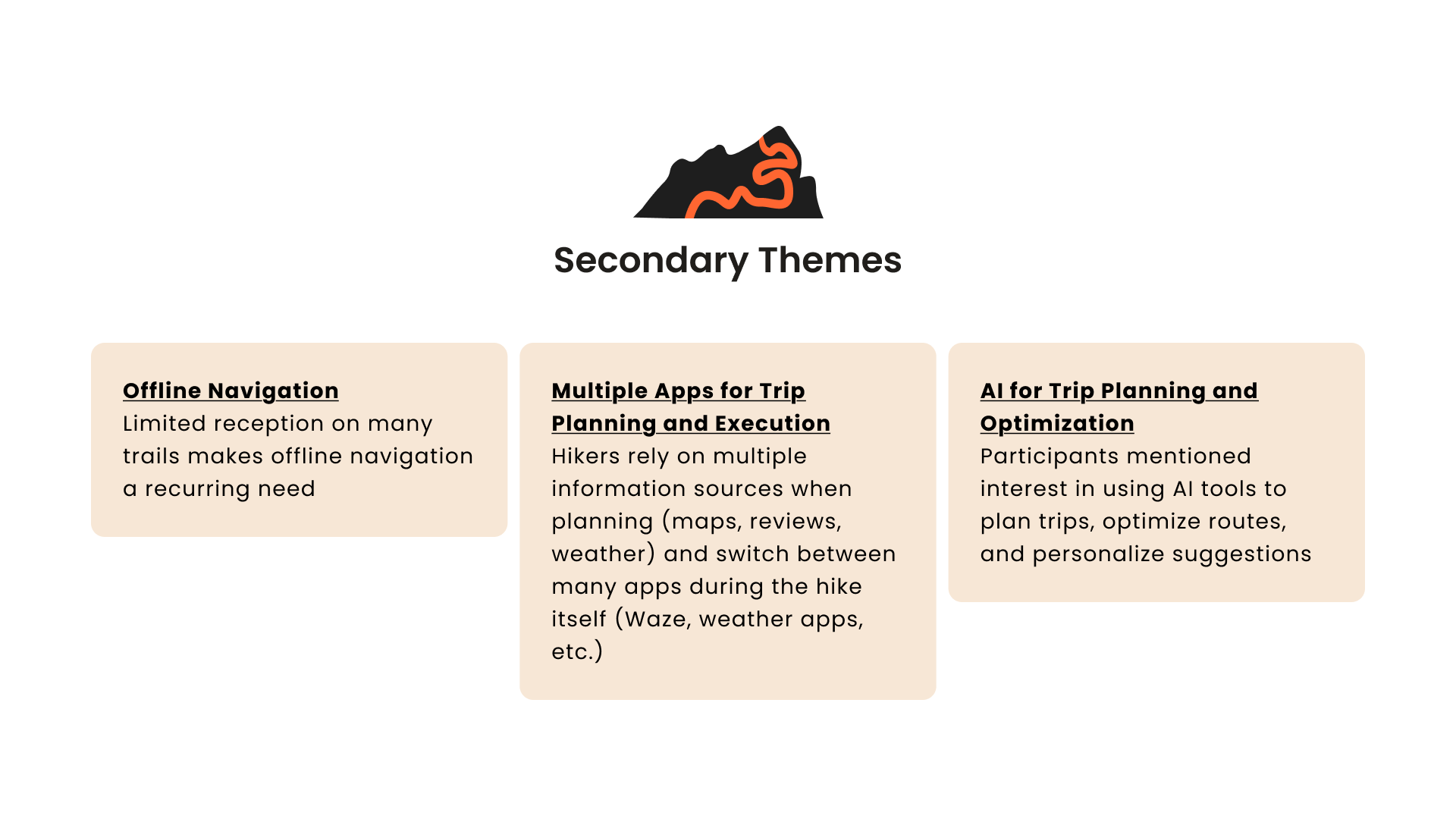
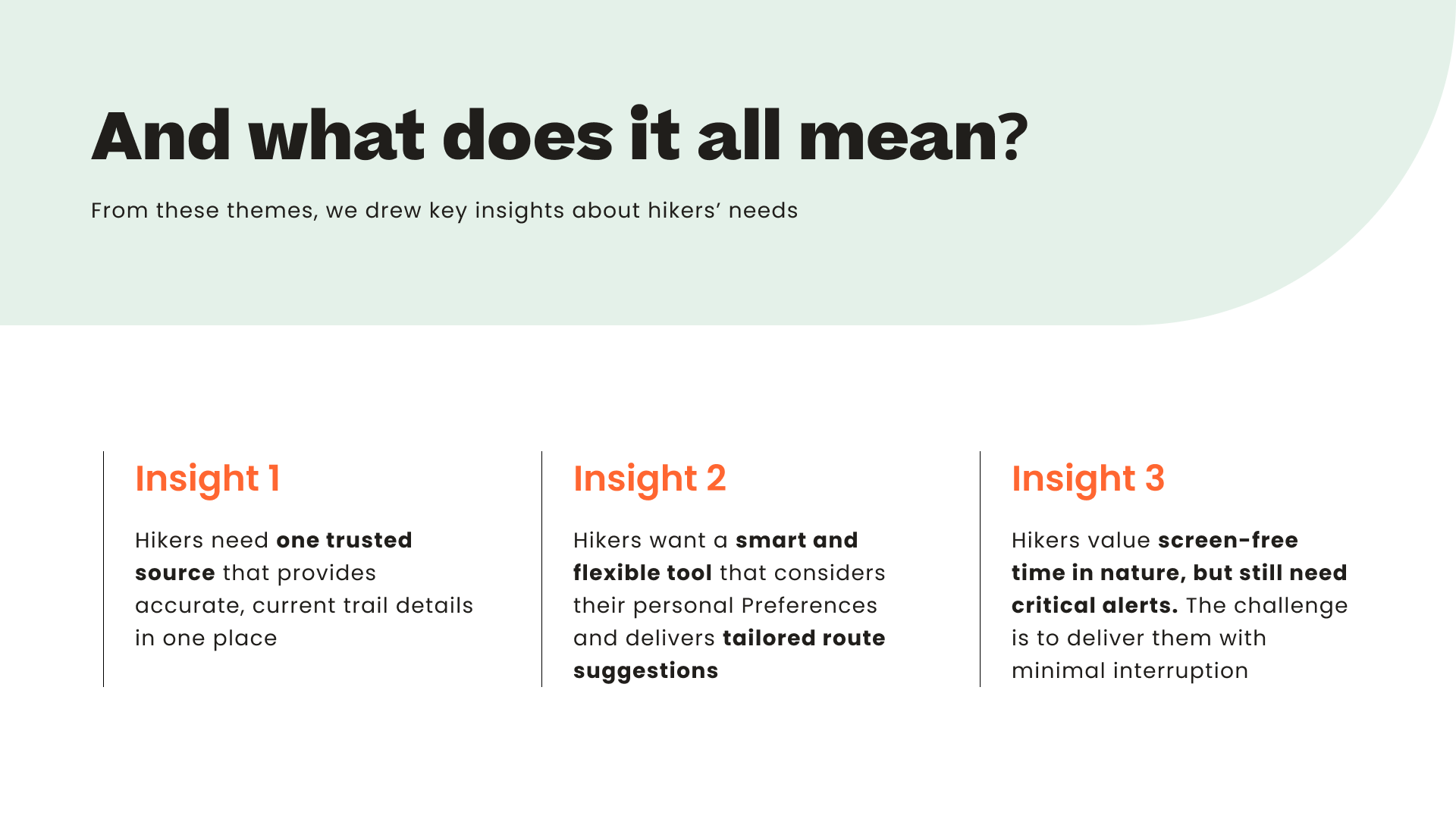
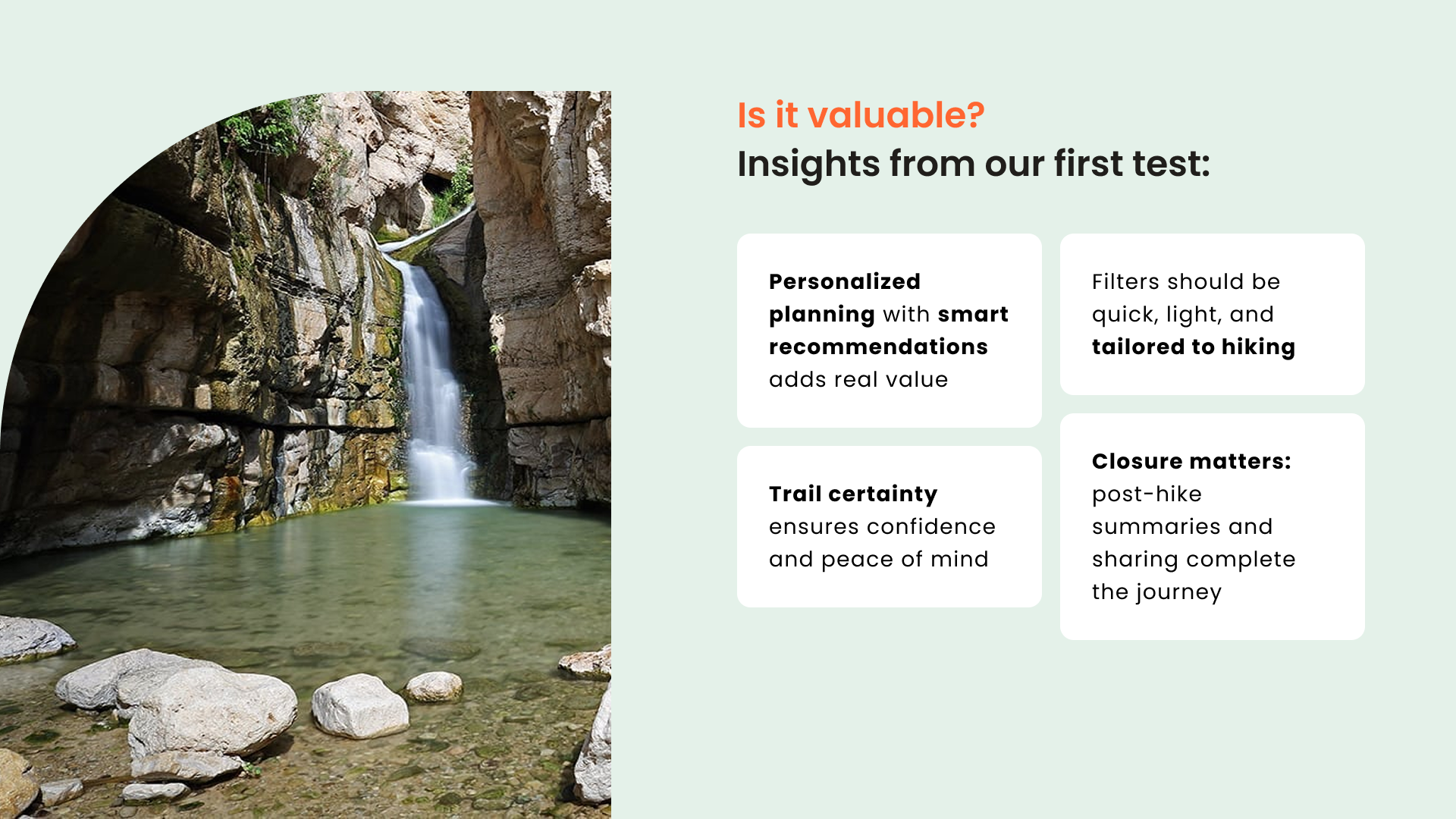
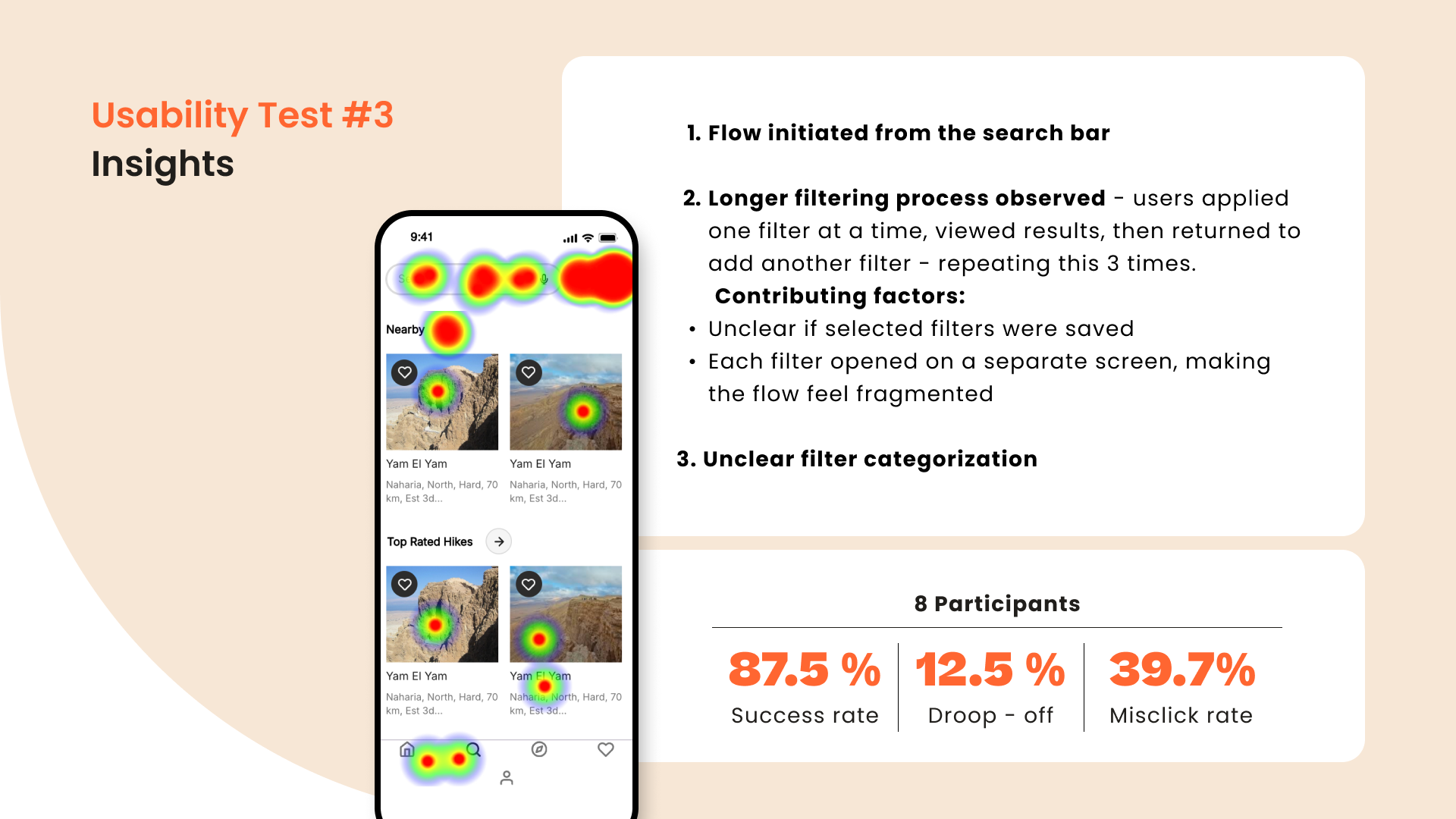
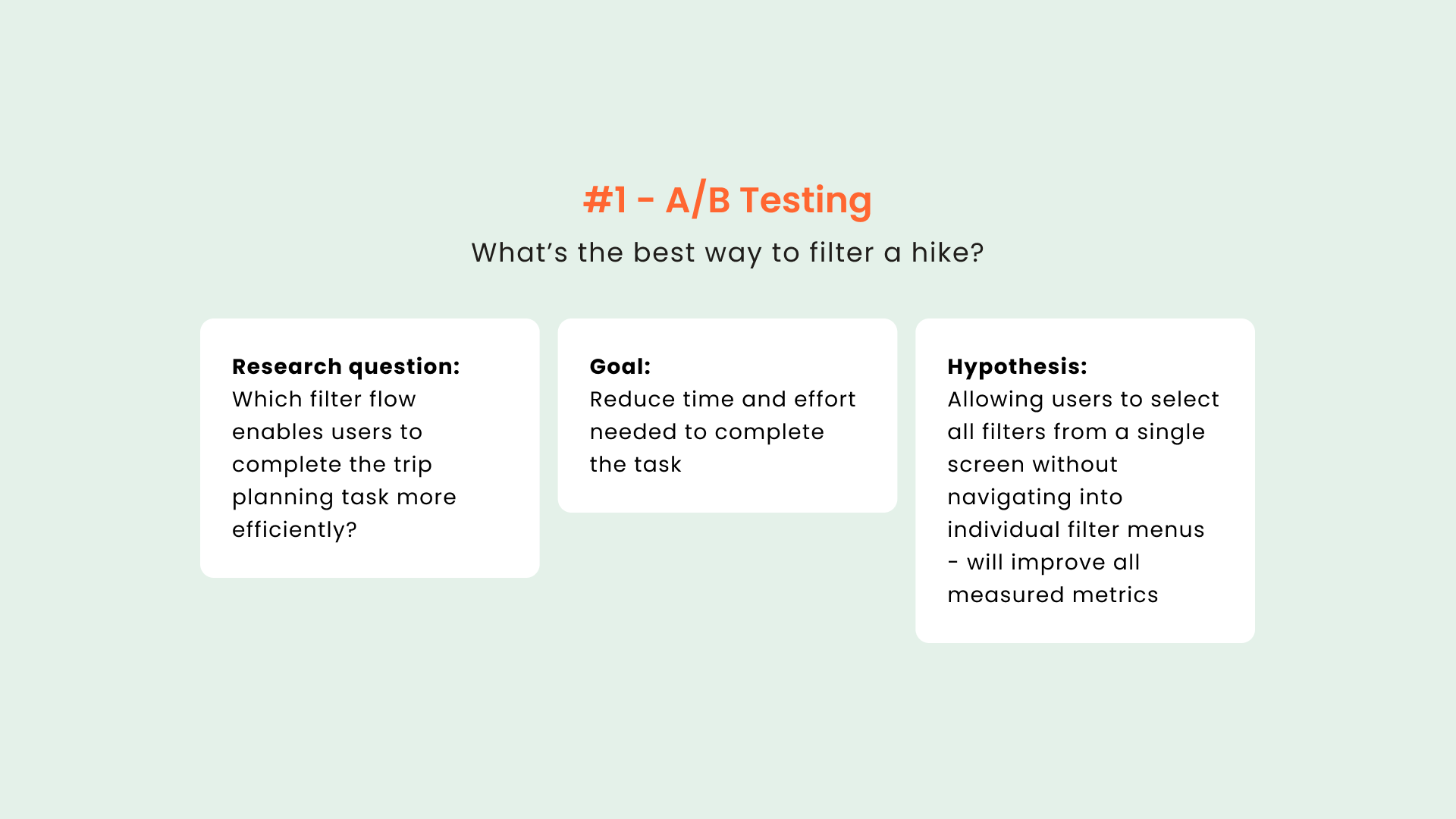
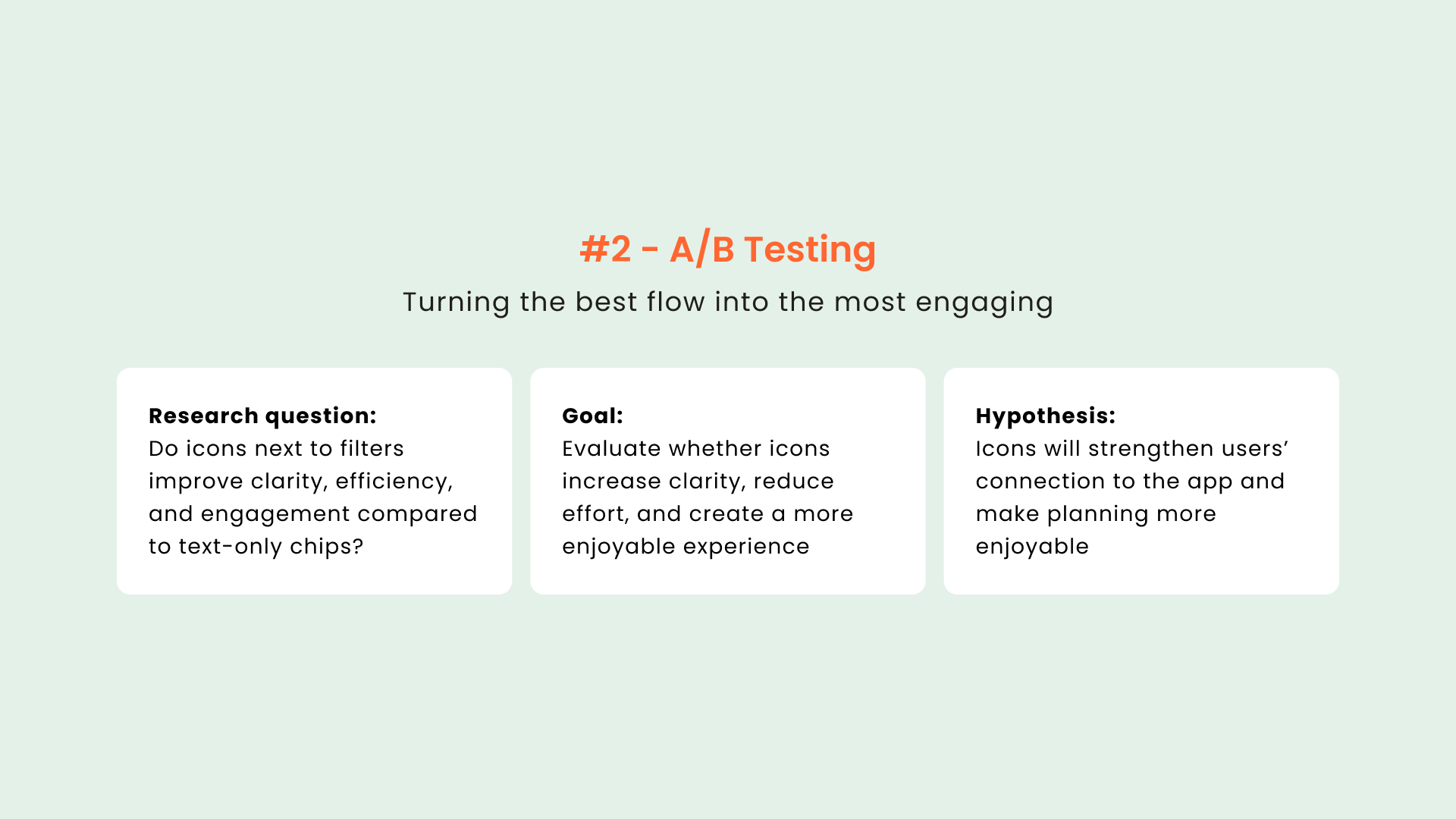
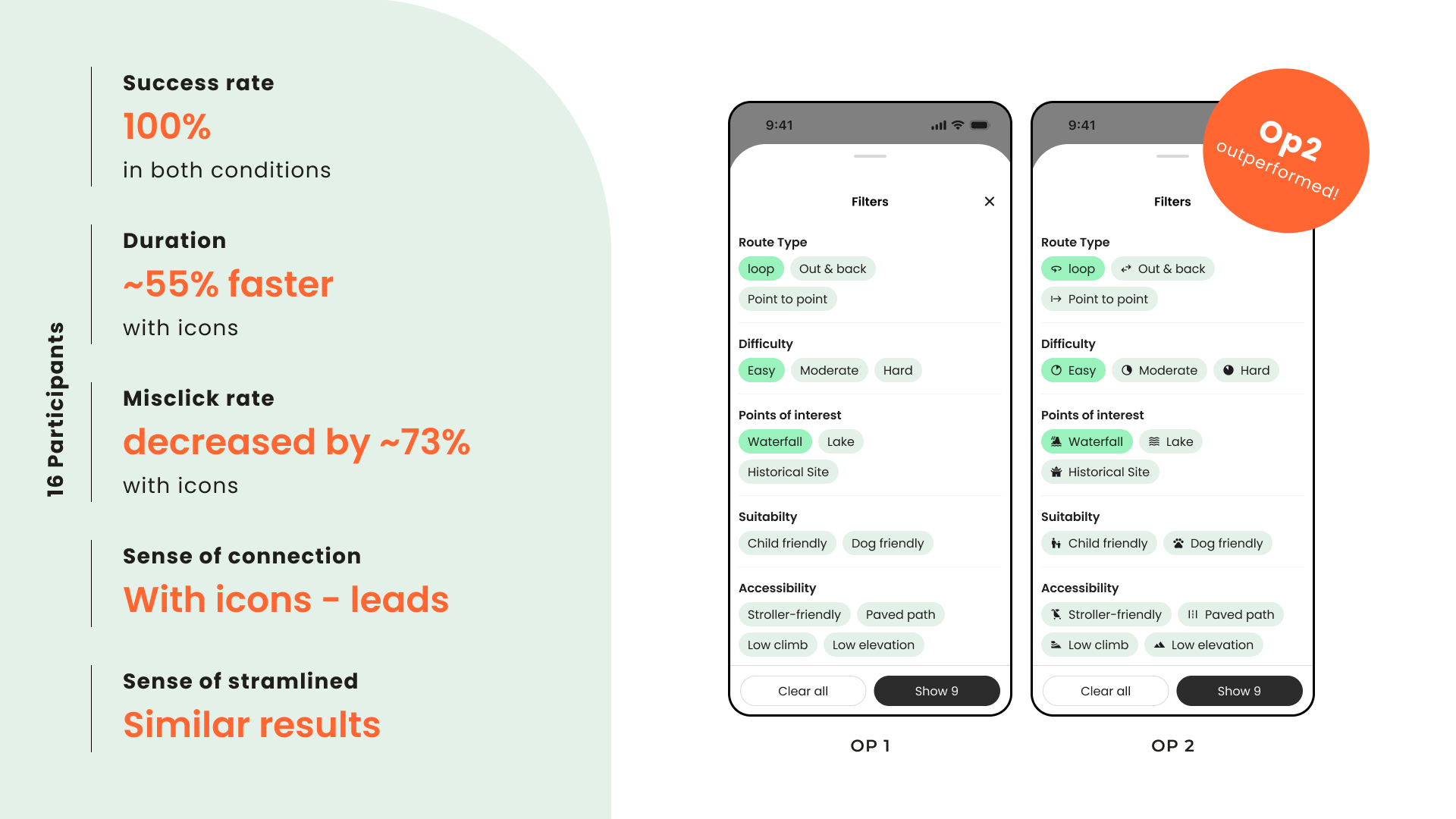
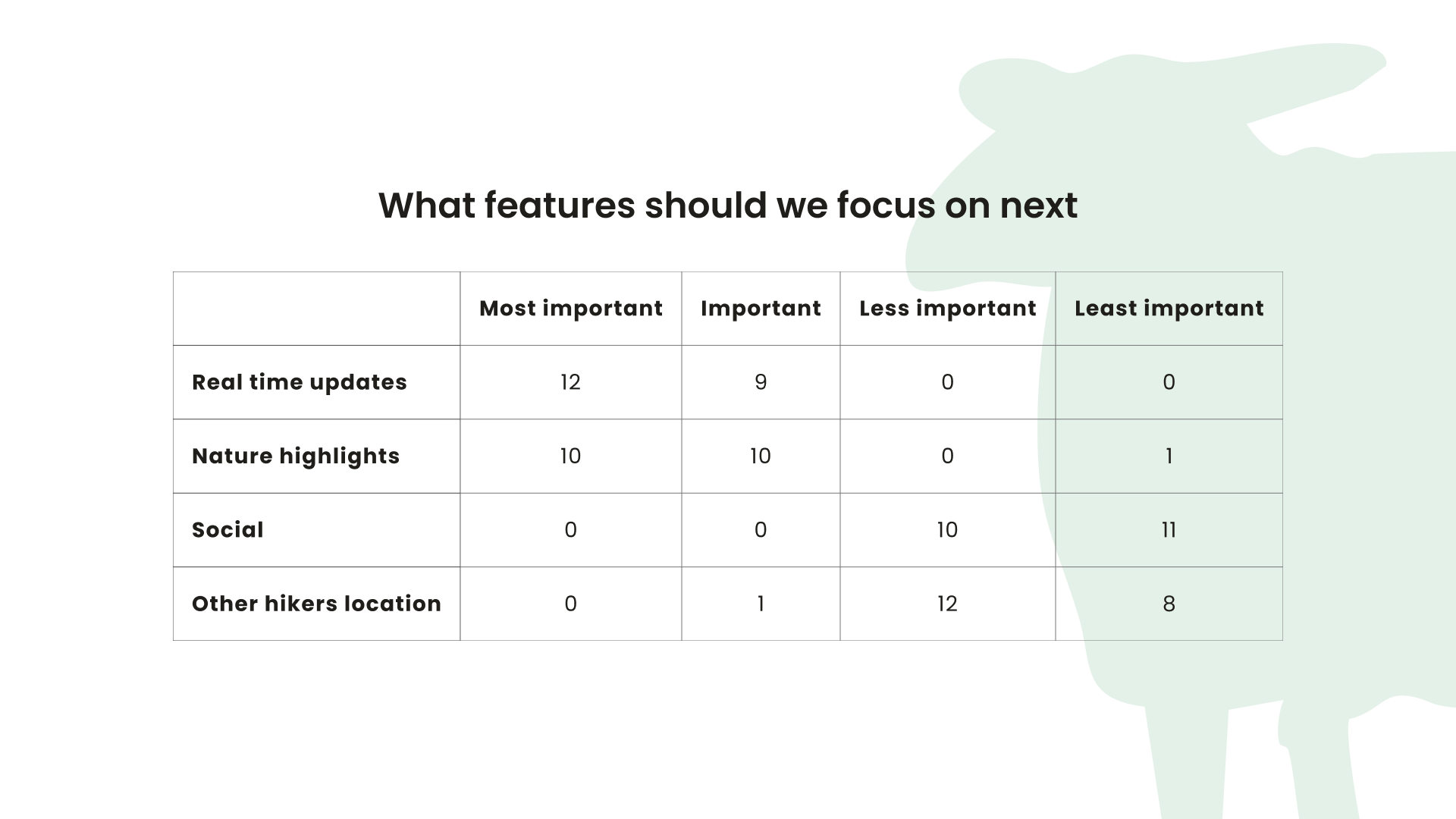
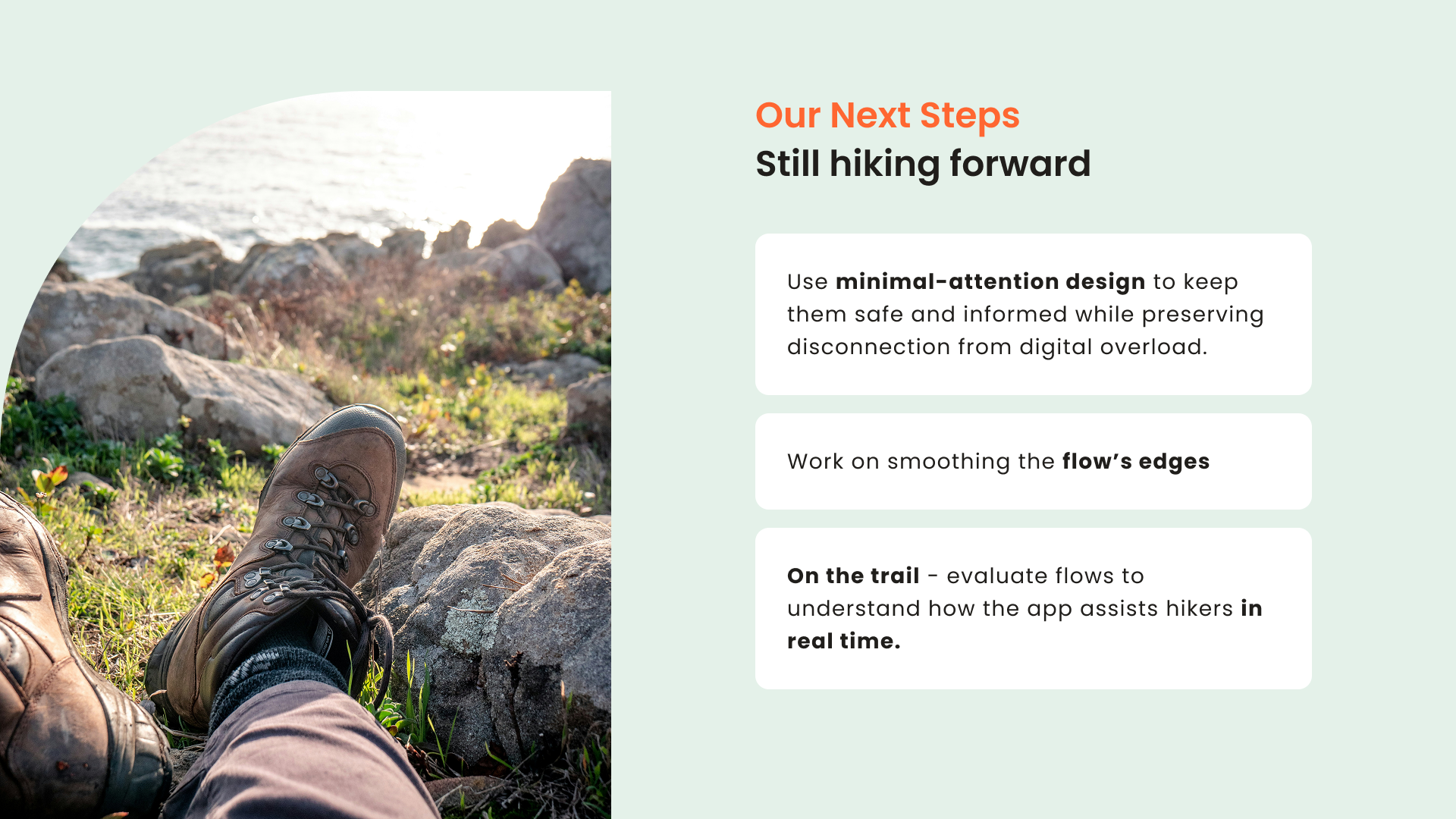
The Hikey project explores how a mobile app can improve the hiking experience for young adults in Israel by addressing common problems in trip planning and navigation. Based on interviews with hikers aged 25-35, the research identified key challenges such as fragmented information across multiple apps, outdated trail data, and limited connectivity on trails. To solve this, the project proposes Hikey-an app that combines flexible trip planning (via filters, search, and AI), real-time community updates about trail conditions, and offline navigation into a single platform. The design focuses on supporting the entire hiking journey-from planning a route to navigating on the trail-while minimizing screen use so hikers can stay connected to nature. Through competitor analysis, prototyping, usability testing, and A/B testing, the study found that simple, unified interfaces and community-driven updates can significantly improve usability and reliability for hikers in Israel.
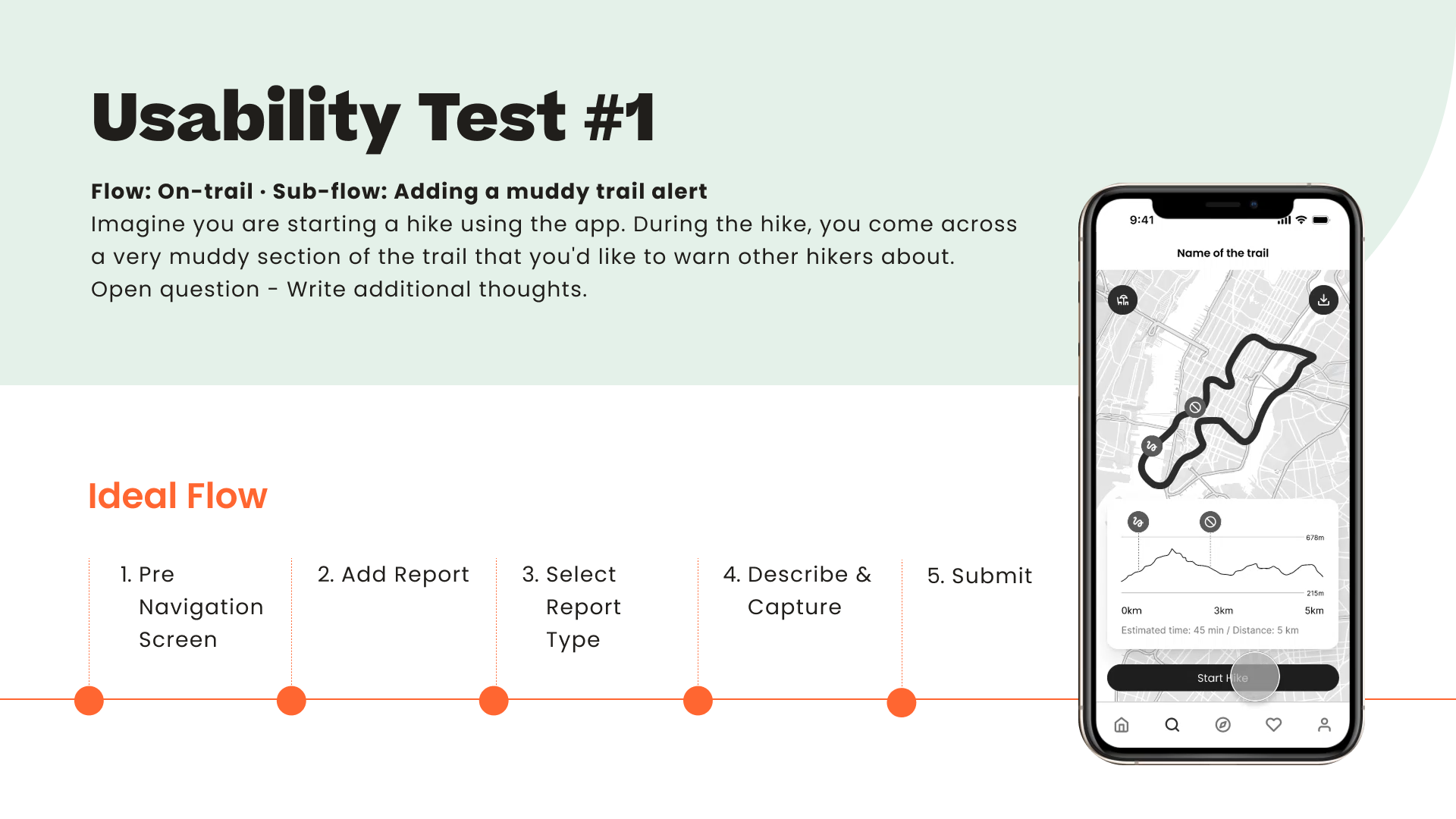
Prototype Flow: Trail Condition Reporting ︎︎︎
Report muddy or slippery trail conditions by adding a photo and comment.
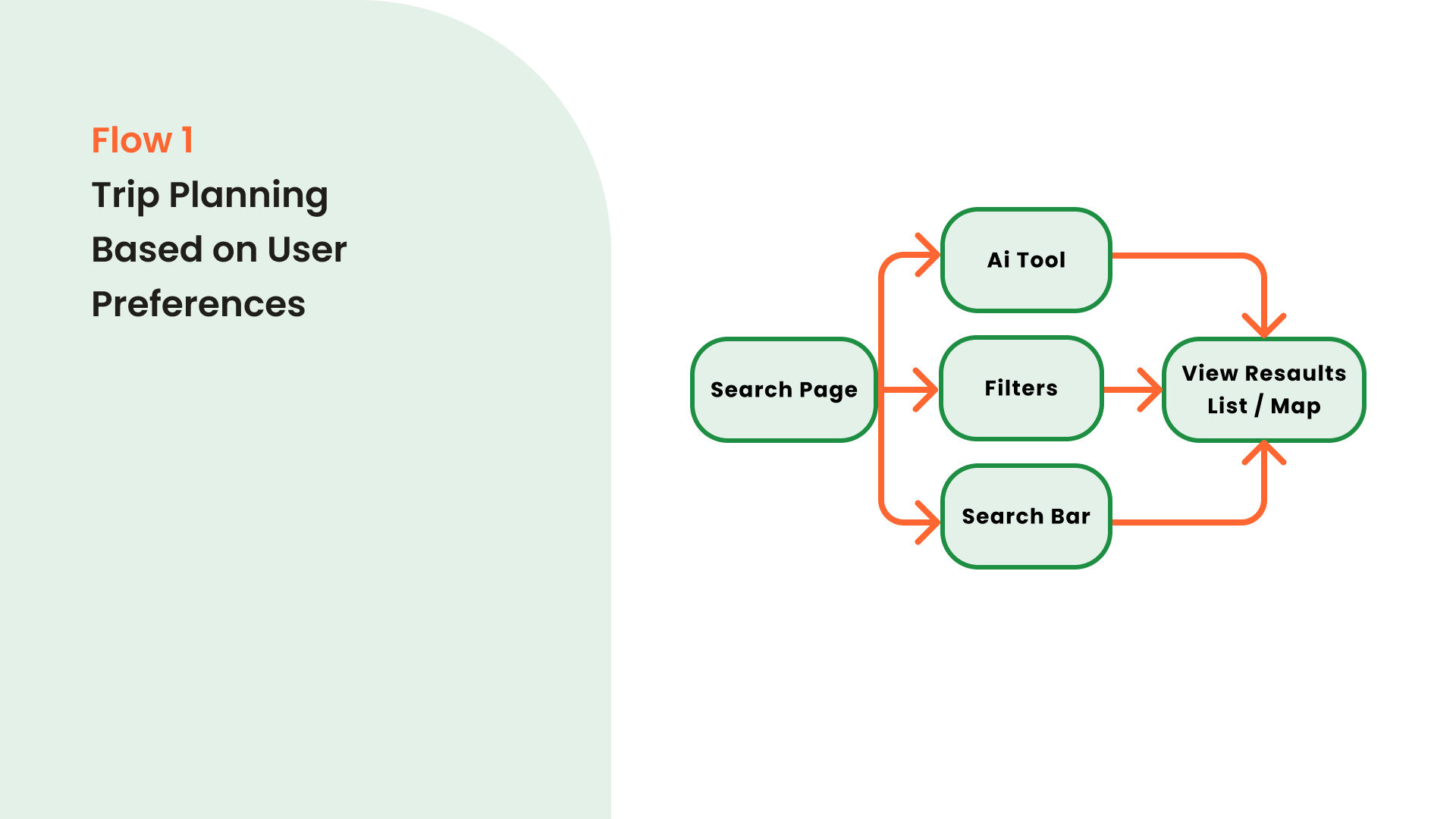
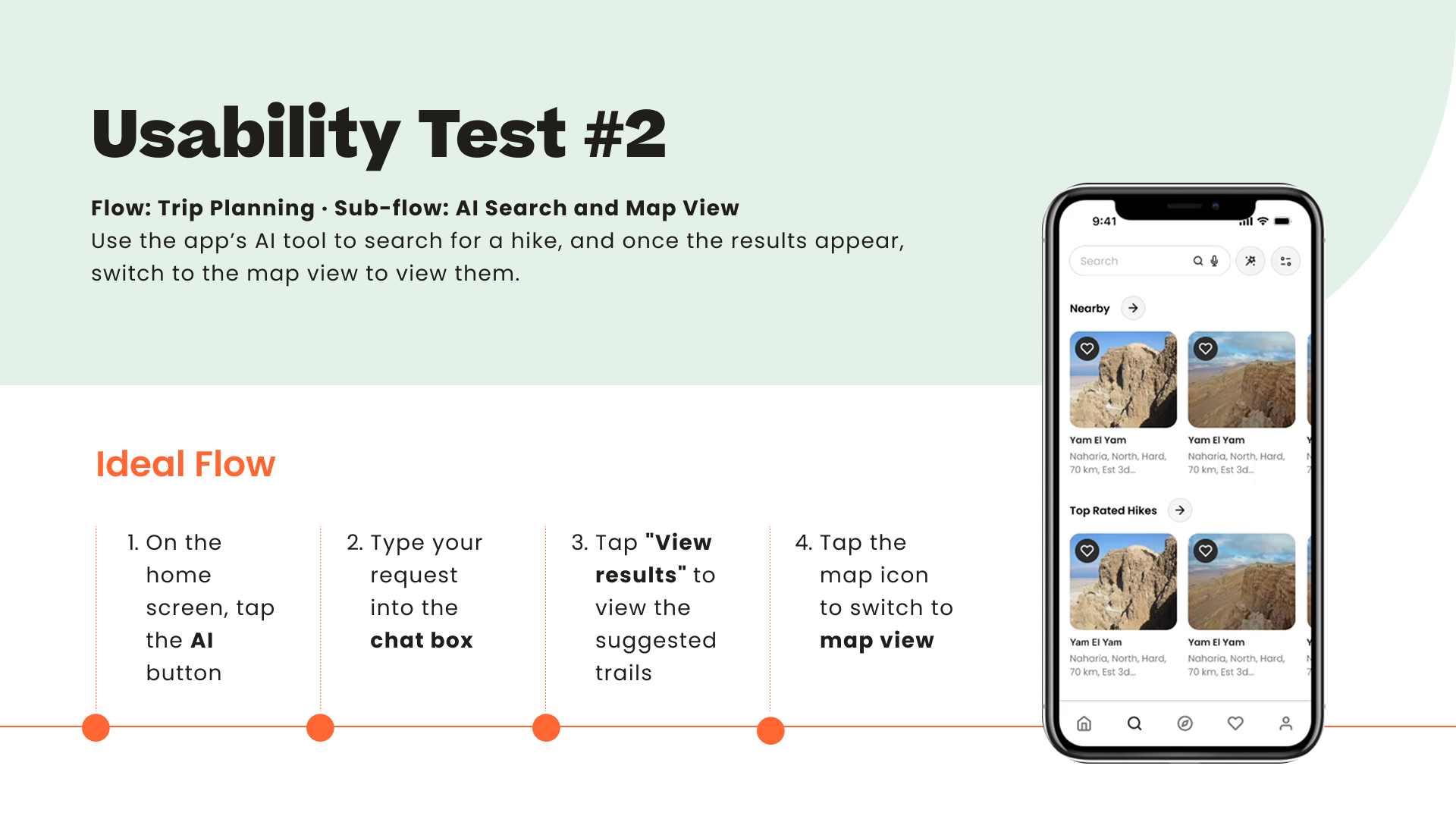
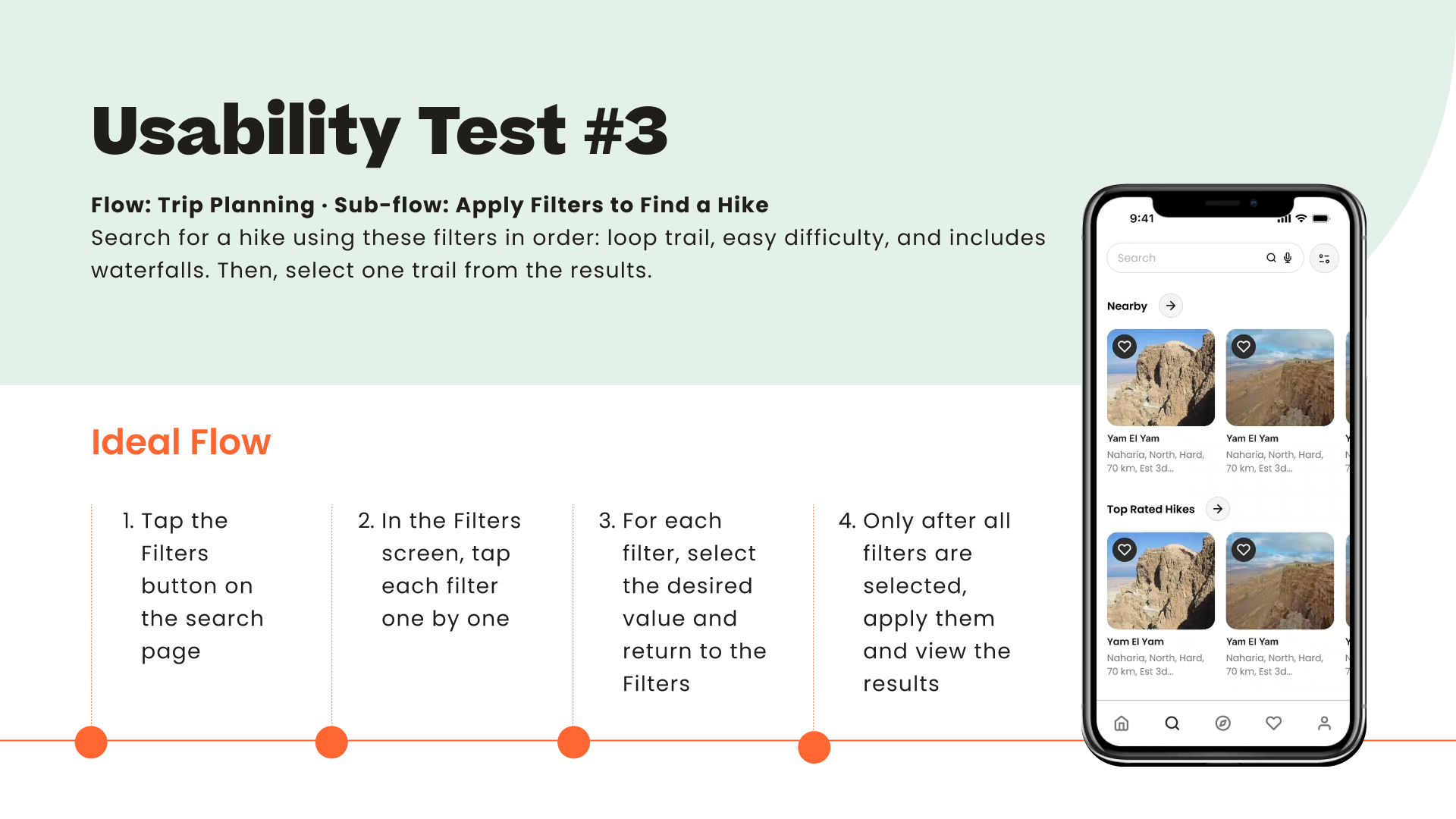
High-Fidelity Prototype flow: Trip Planning ︎︎︎
Plan a hike using search, filters, or AI-powered natural language queries. Explore suggested trails in a list or map.











Index Next︎
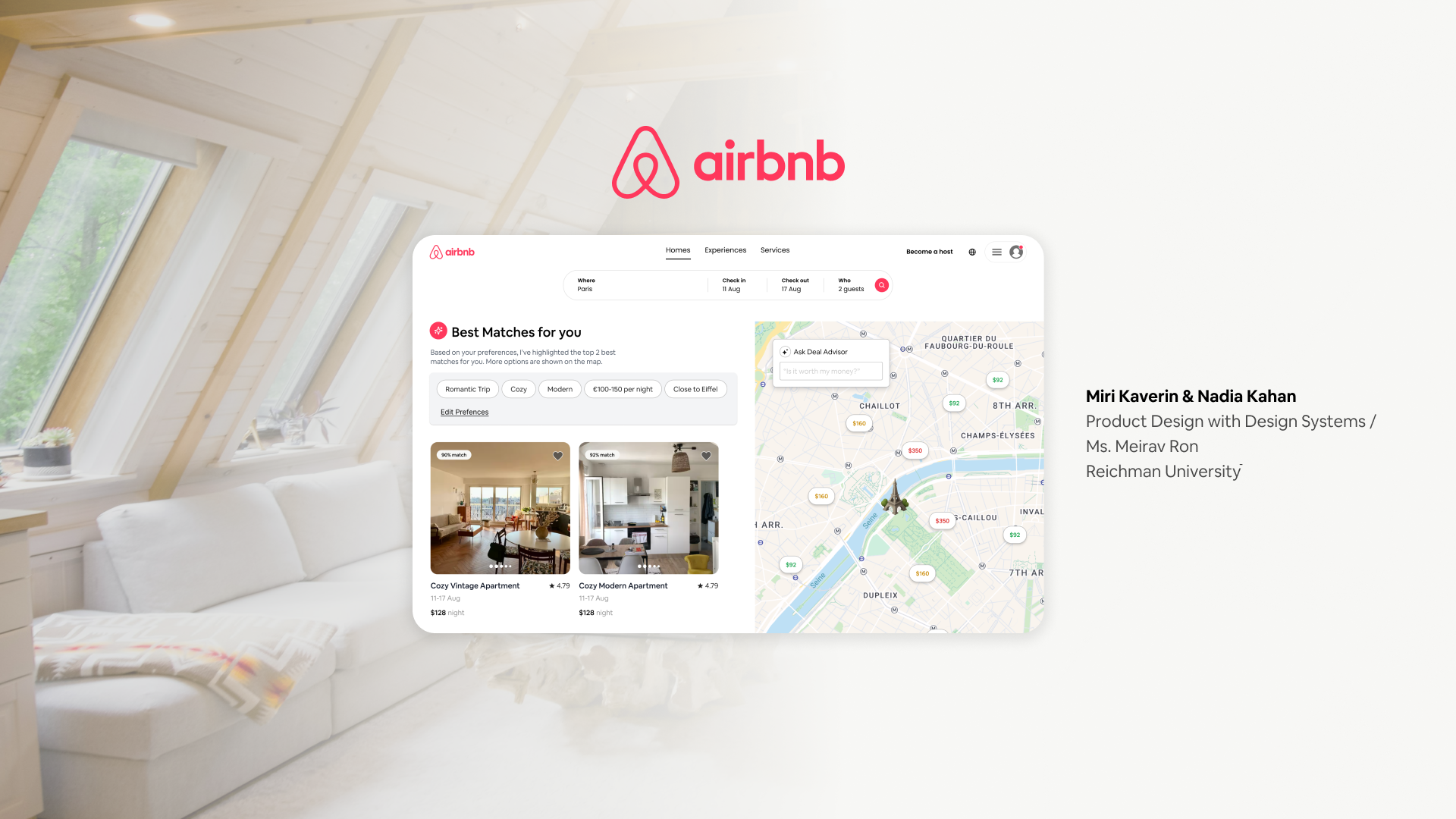
Beyond Booking: A Smarter Airbnb Experience
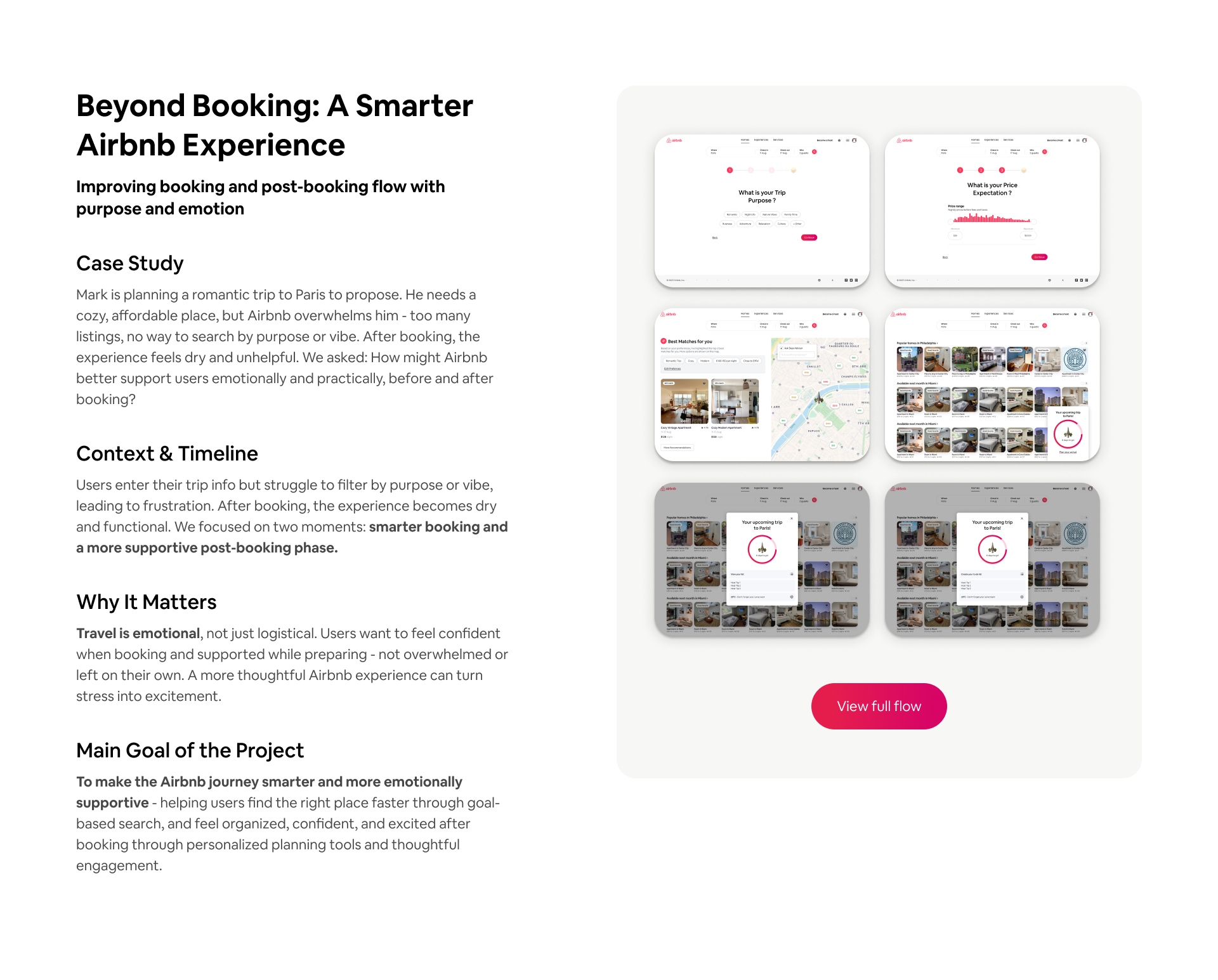
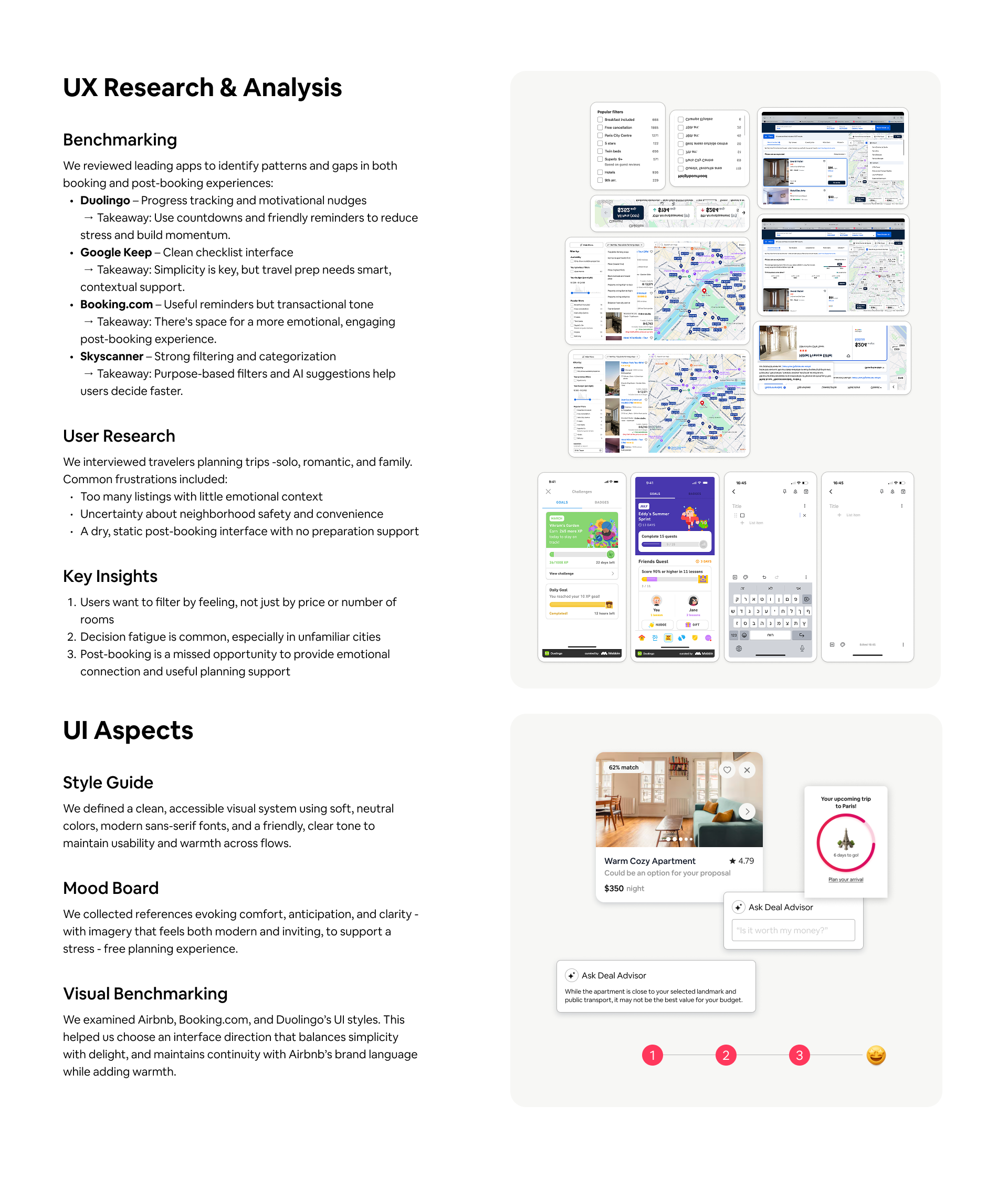
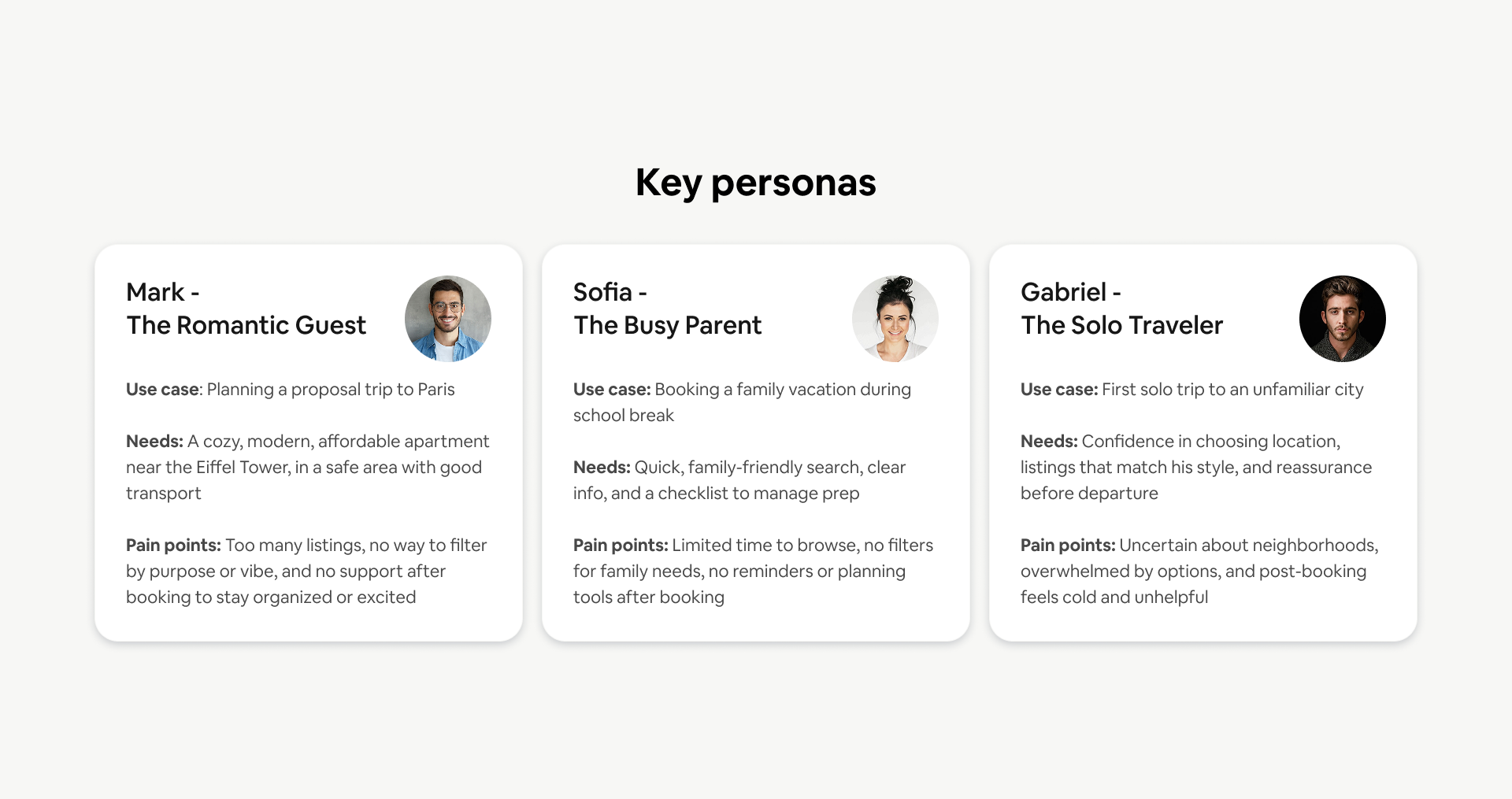
This case study explores how Airbnb could better support users emotionally and practically during the travel journey. Using a persona (Mark) who is planning a romantic proposal trip to Paris, the project highlights how users can feel overwhelmed by too many listings and the lack of search options based on purpose or vibe. The study focuses on improving two key moments: the booking stage—by helping users find the right place faster through goal-based search—and the post-booking stage—by offering personalized planning tools and supportive guidance. The goal is to transform Airbnb from a purely functional platform into an experience that reduces stress, builds confidence, and makes trip planning more meaningful and exciting.


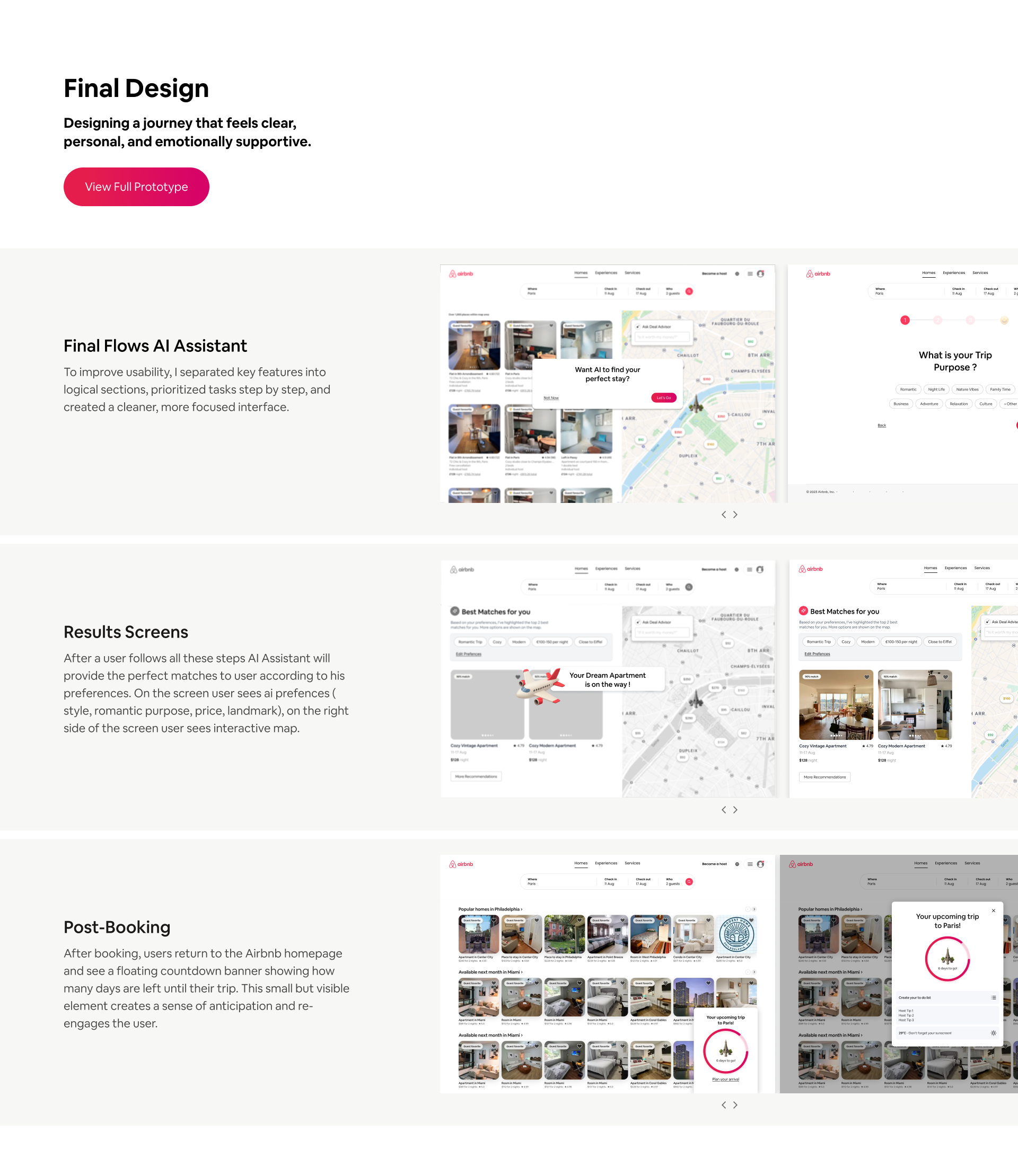

Index Next︎
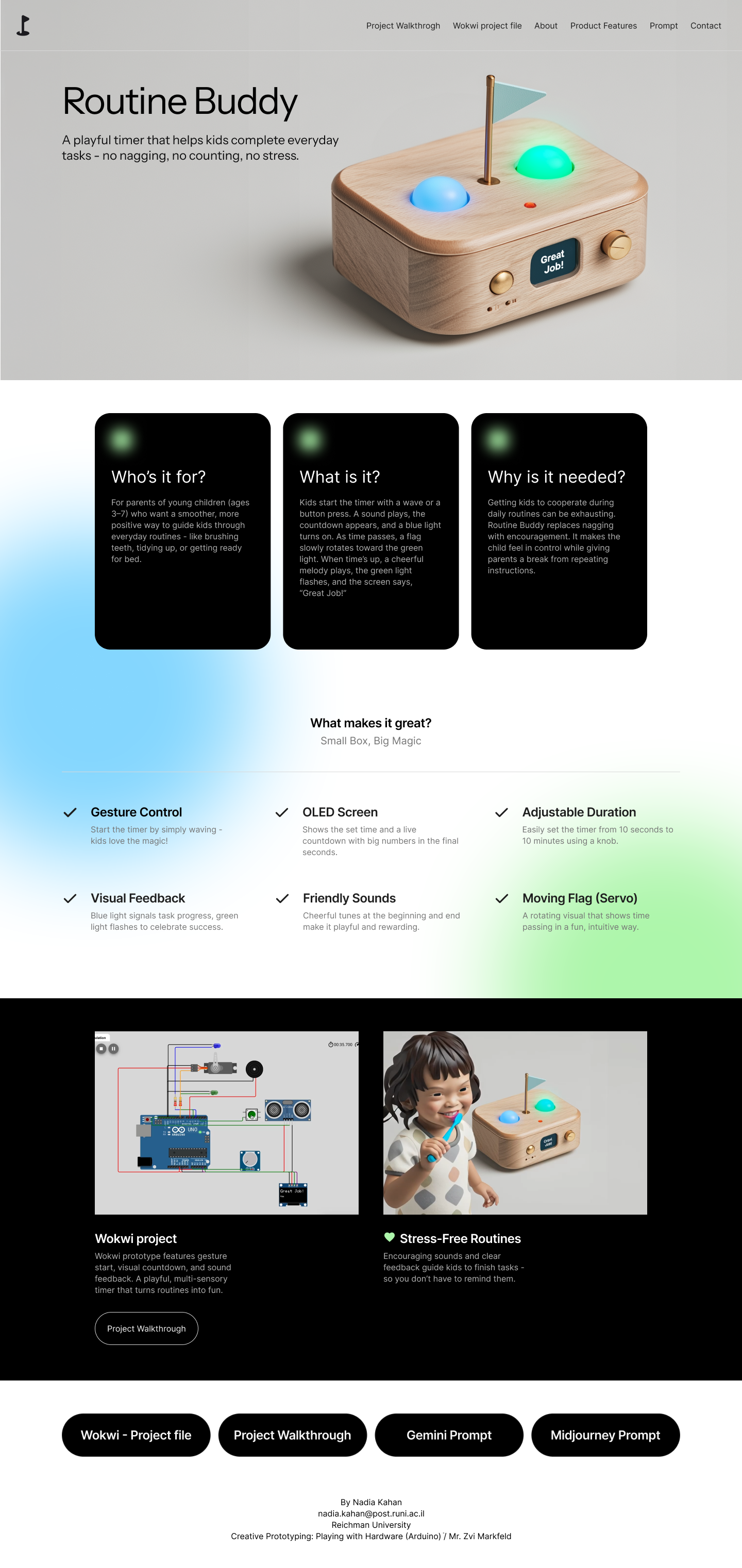
Routine Buddy - Creative Prototyping: Playing with Hardware (Arduino)
Hands-on workshop in physical computing for HCI, focusing on interactive prototyping with sensors, actuators, light, sound, and movement. Final project developed and simulated using Wokwi. View full prototype ︎︎︎
Index Next︎
Critical Speculative Design
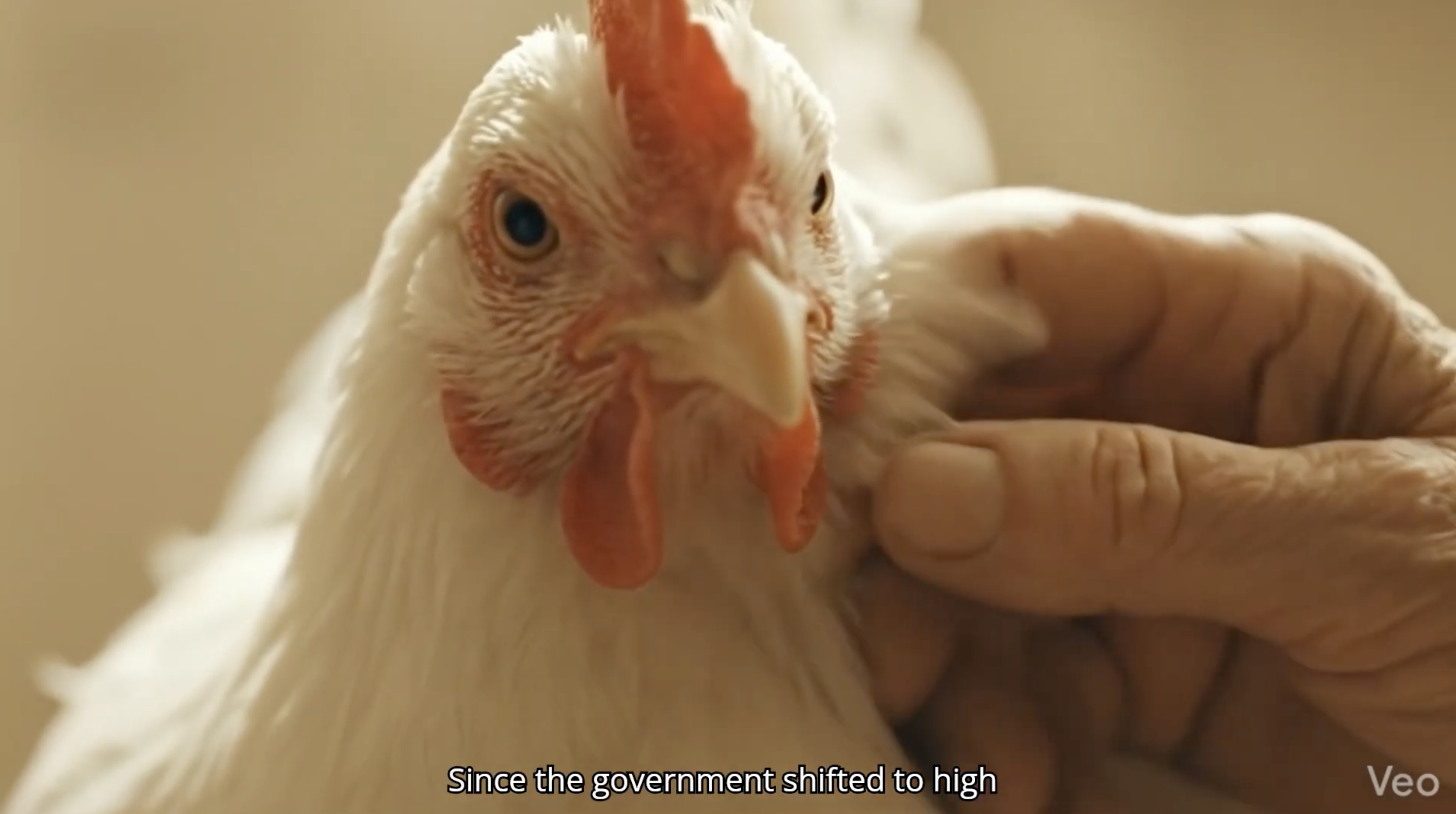
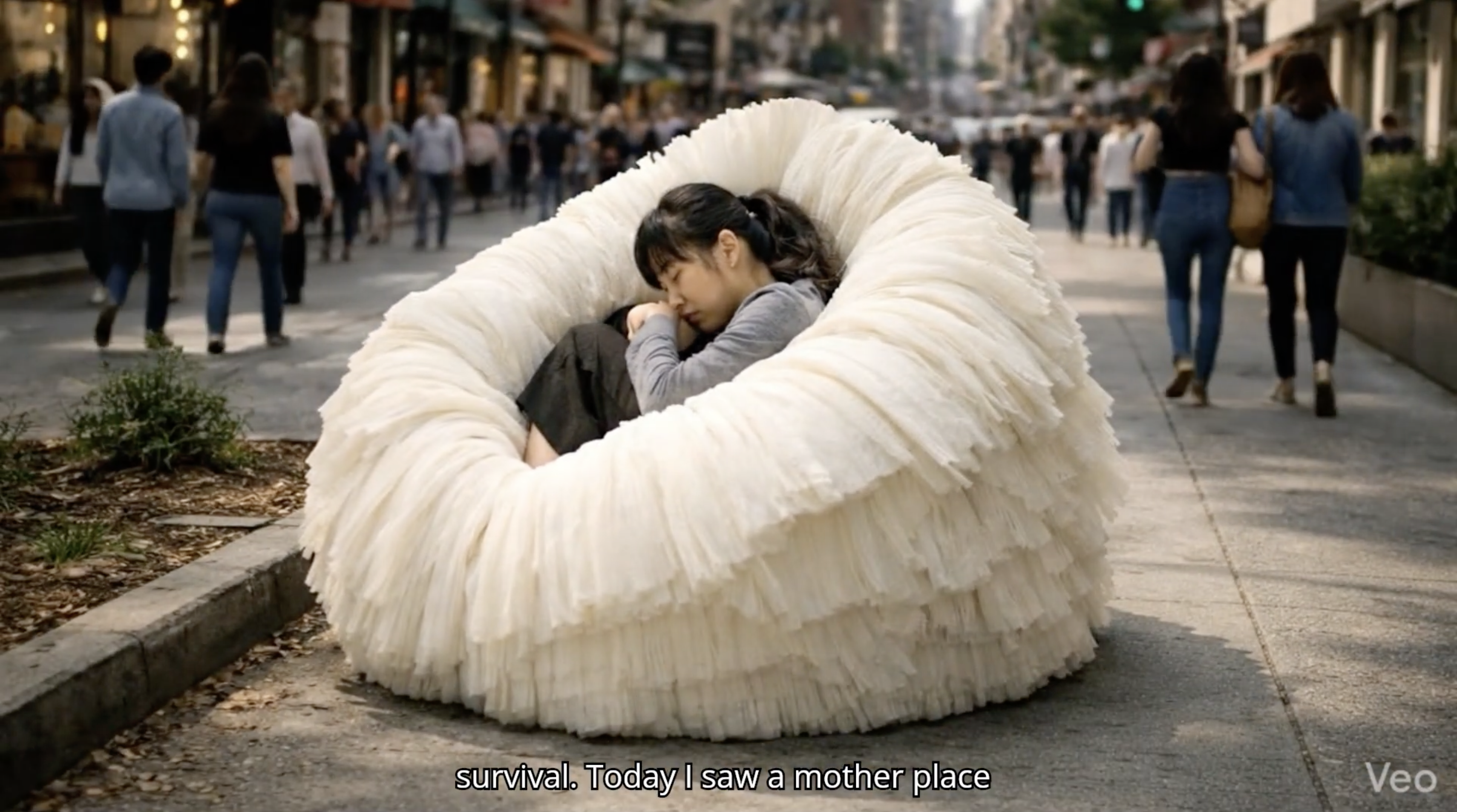
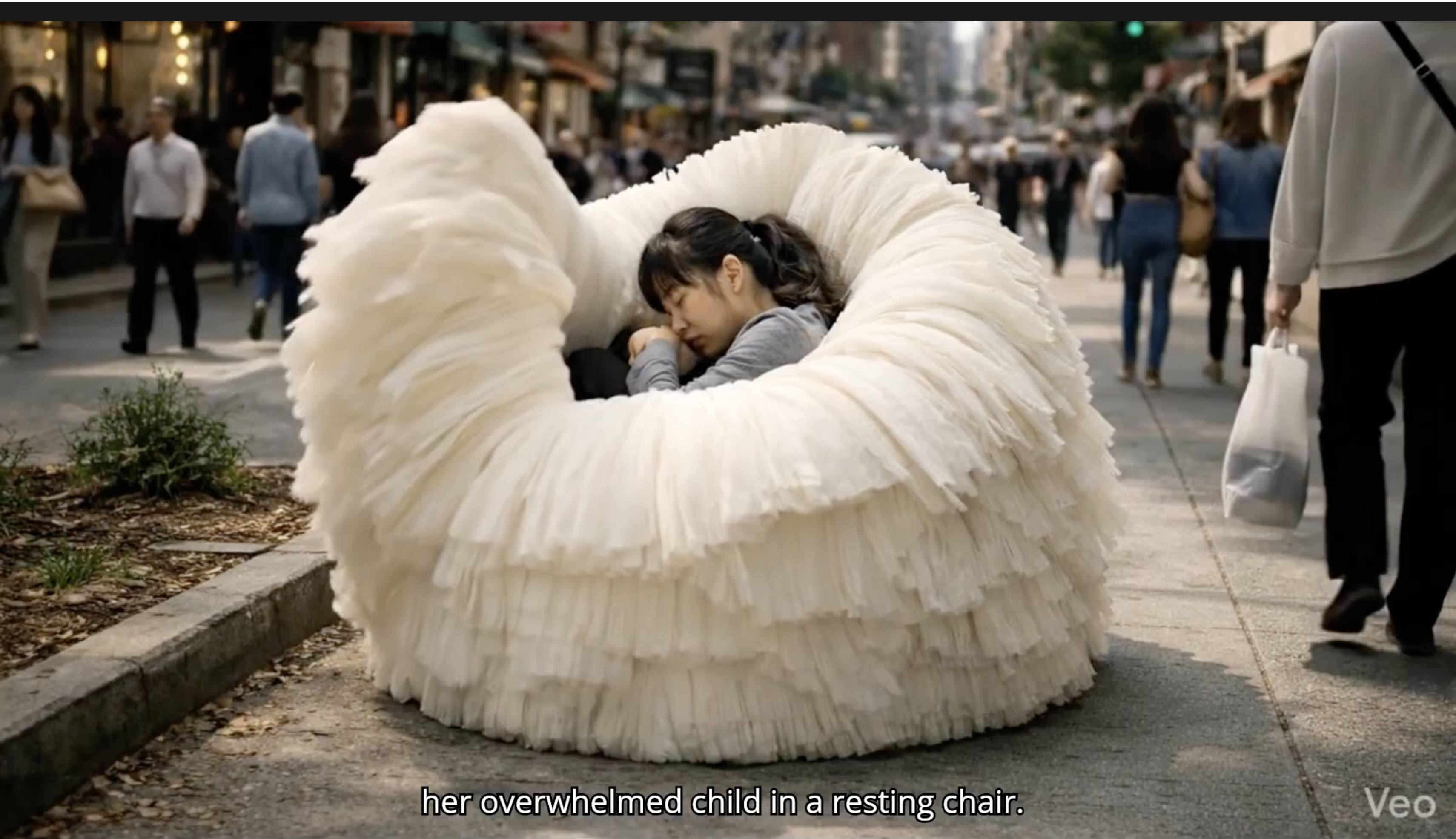
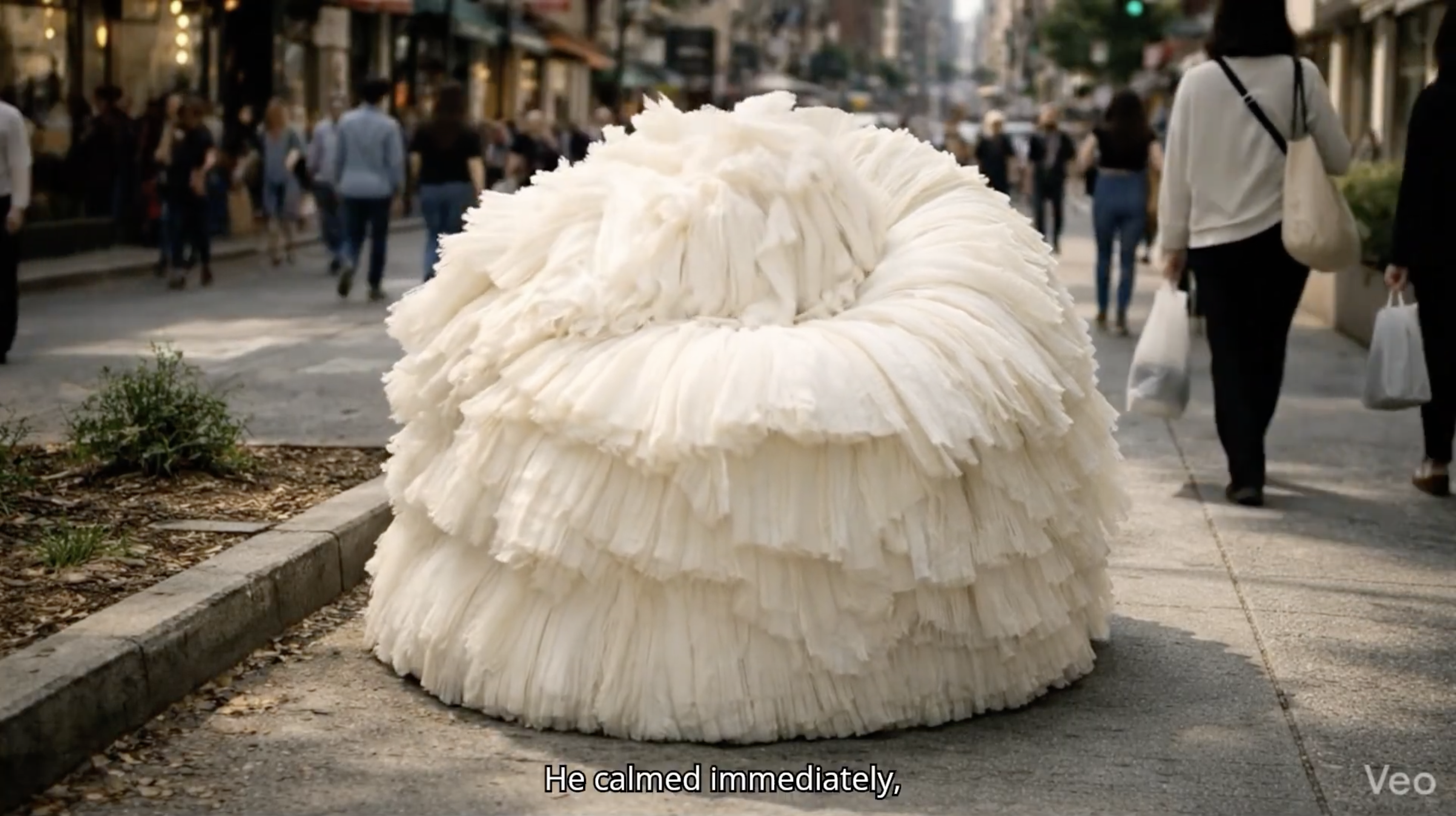
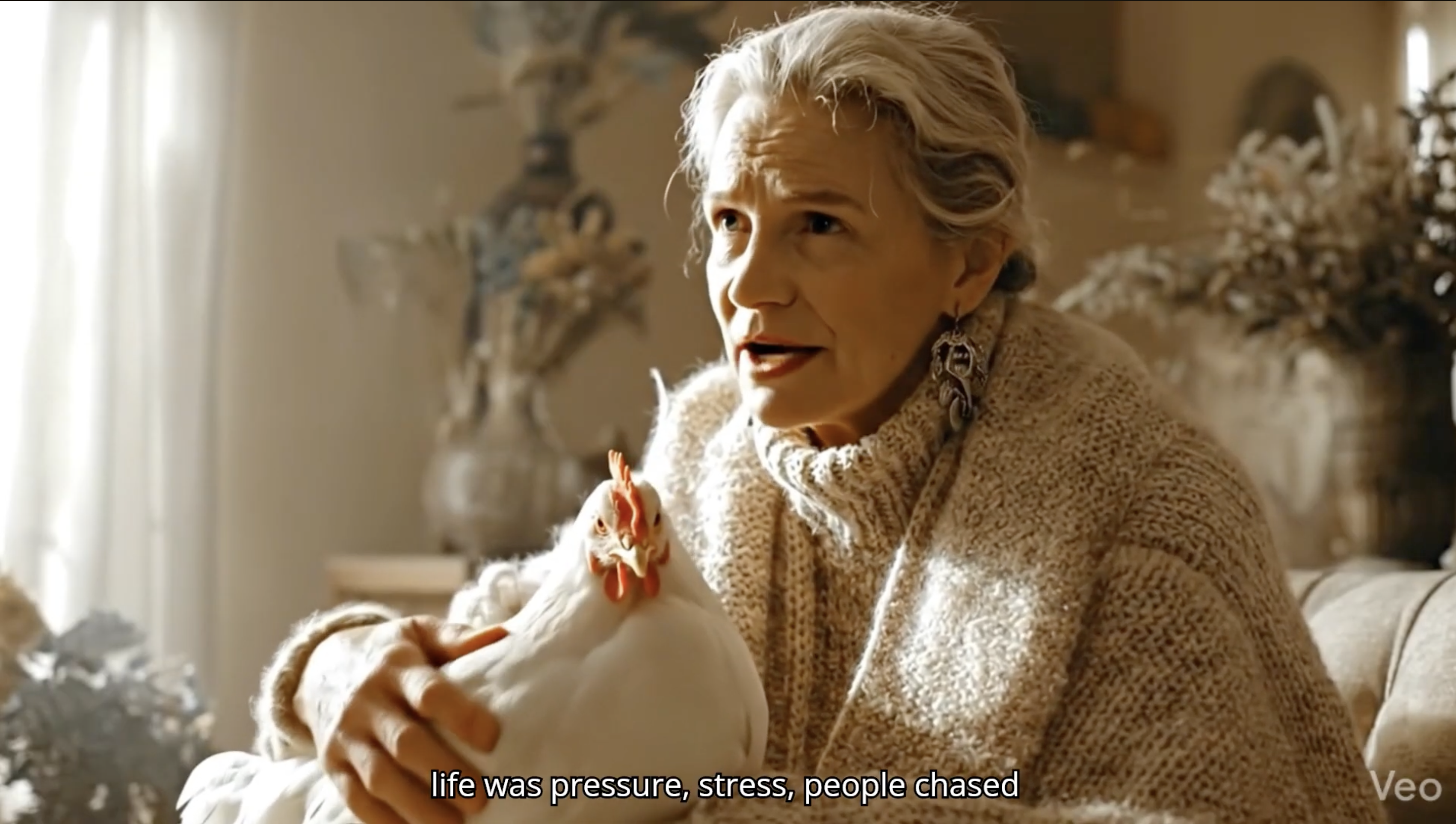
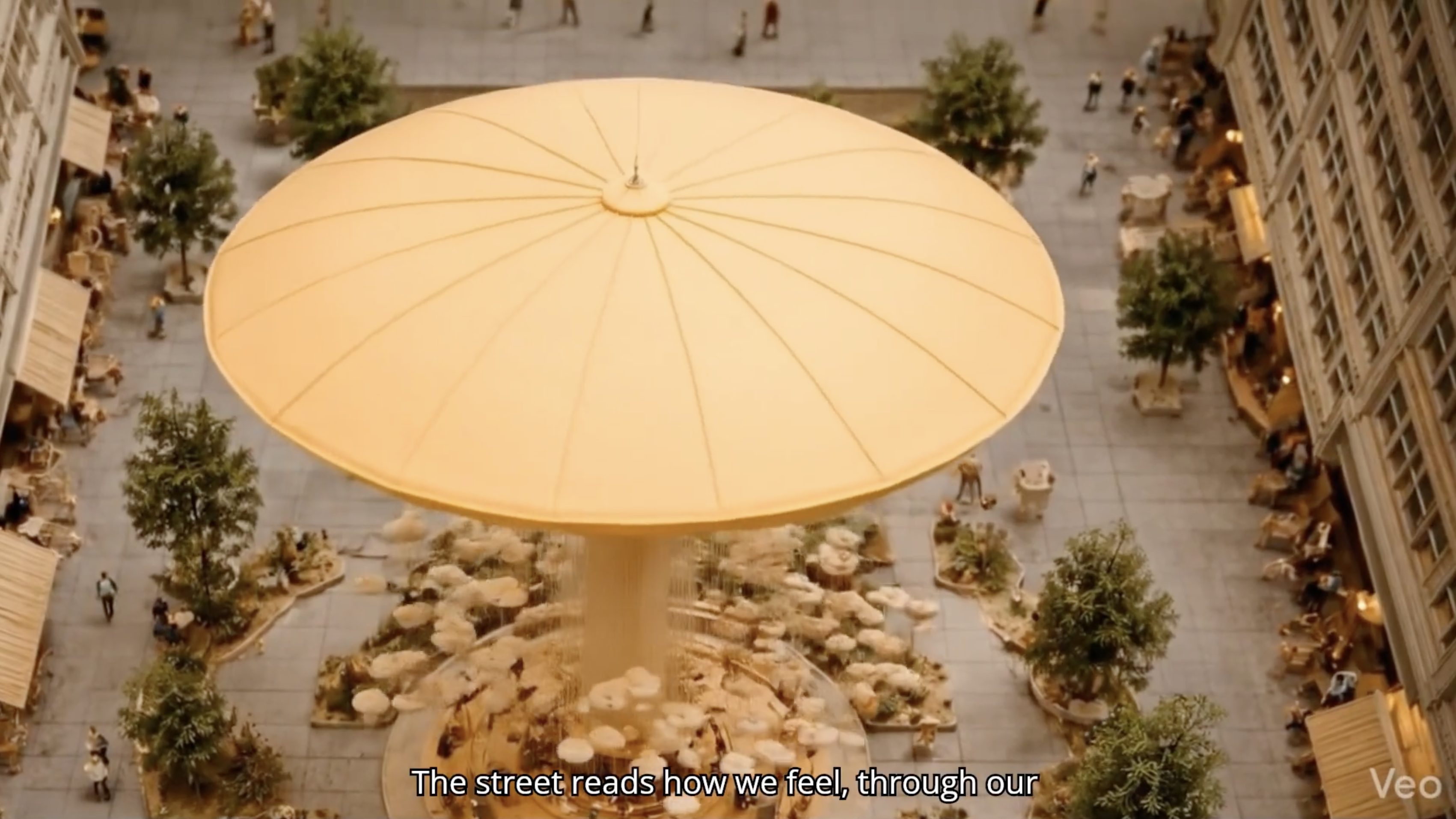
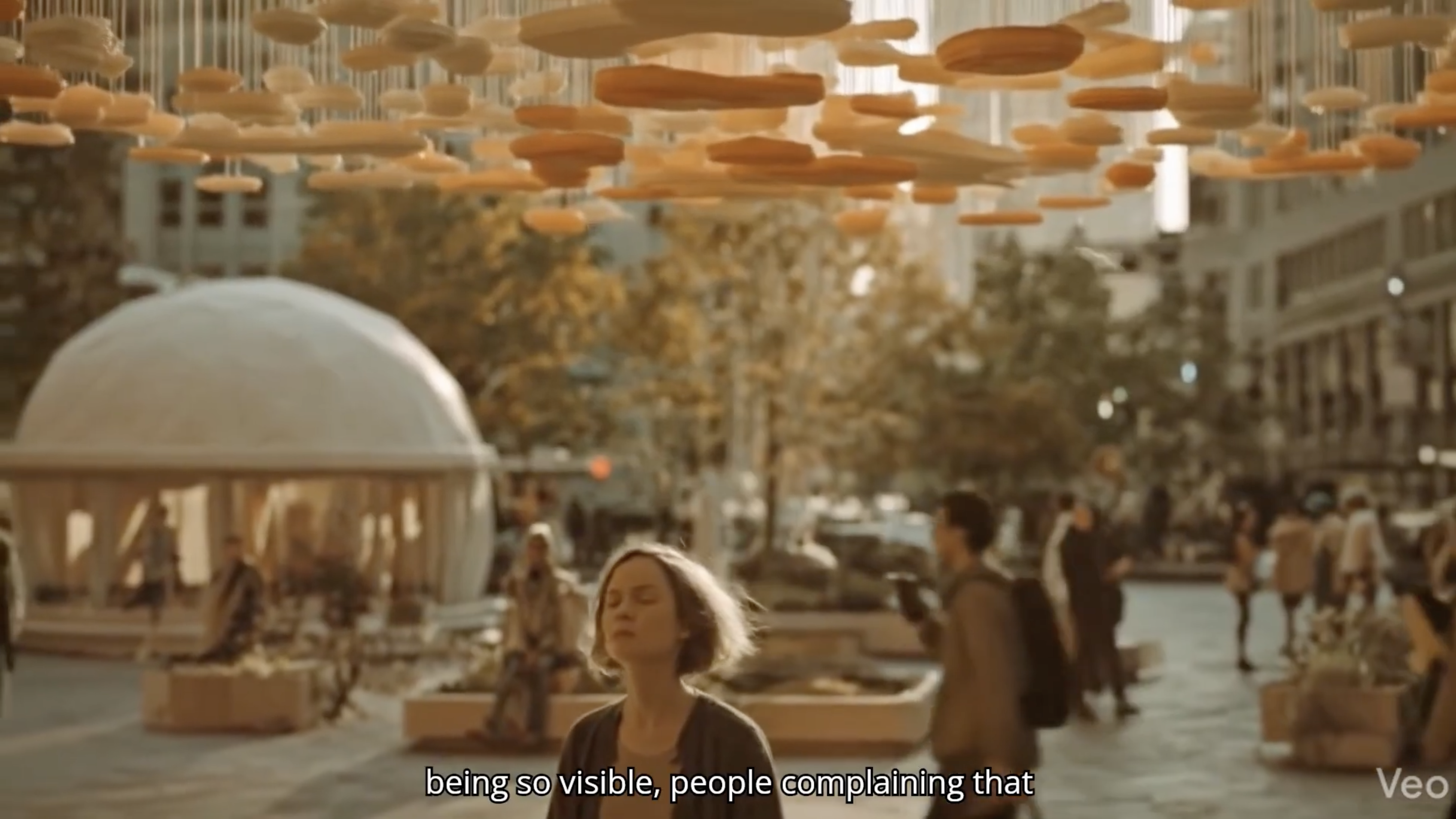
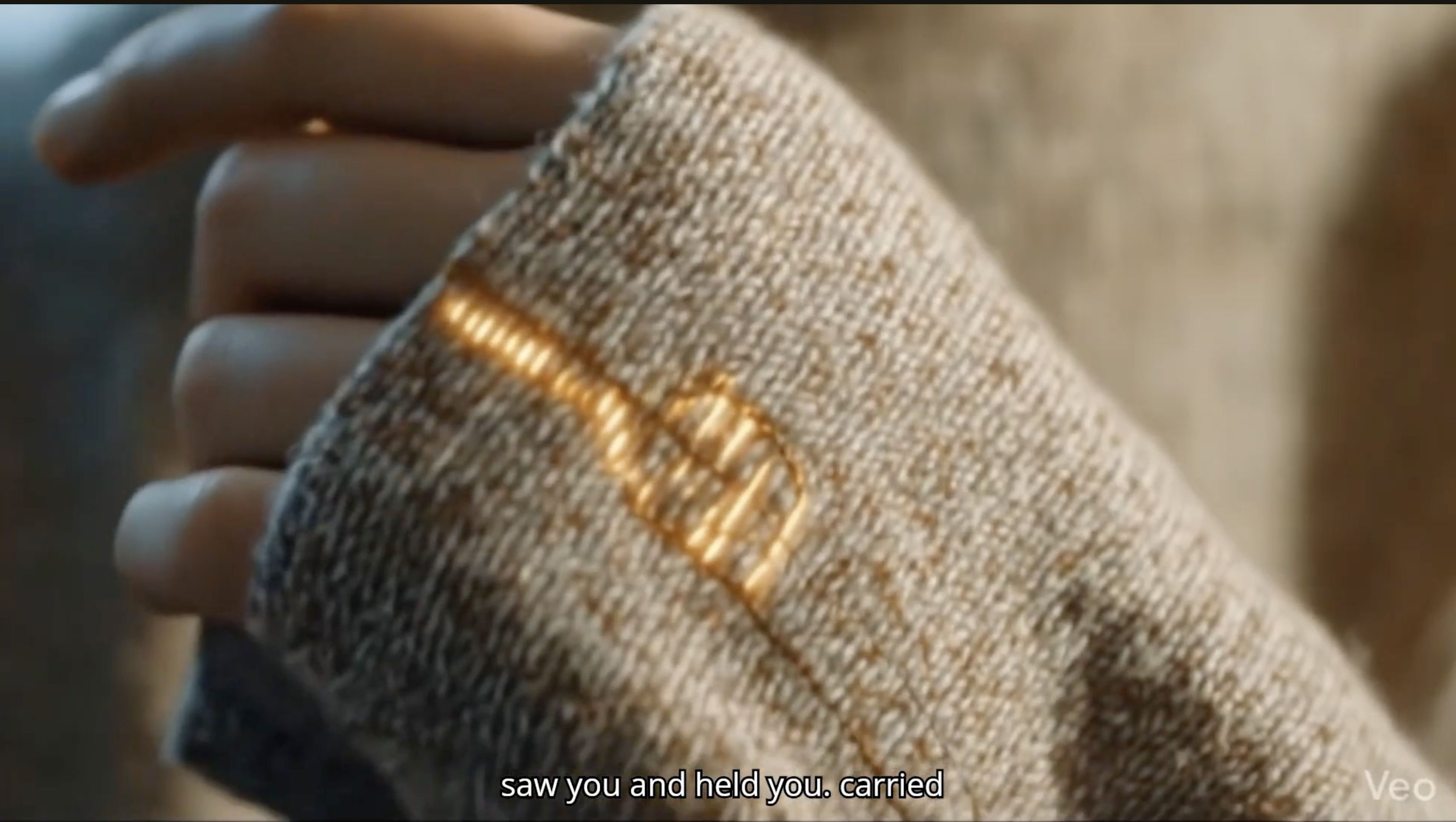
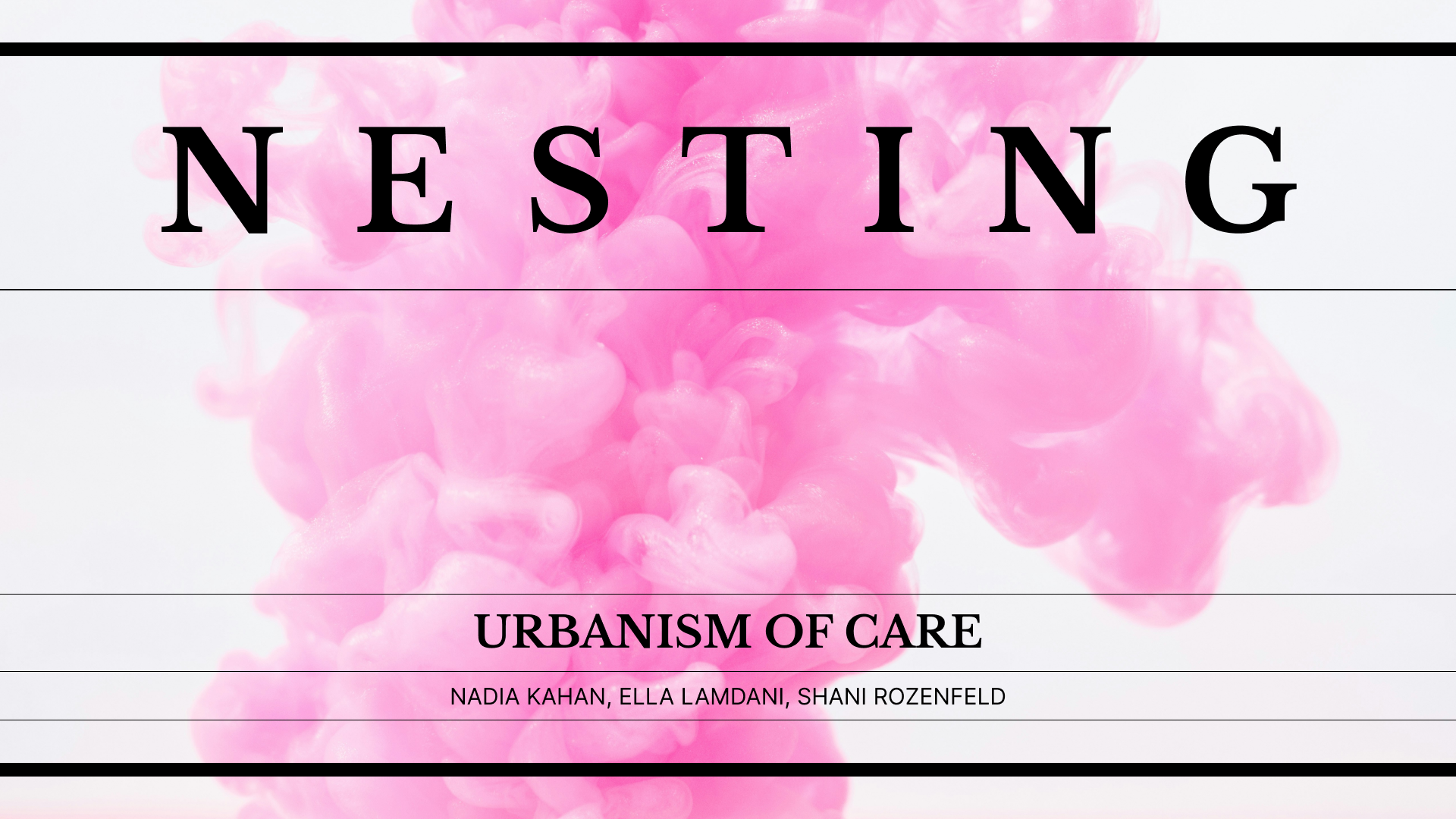
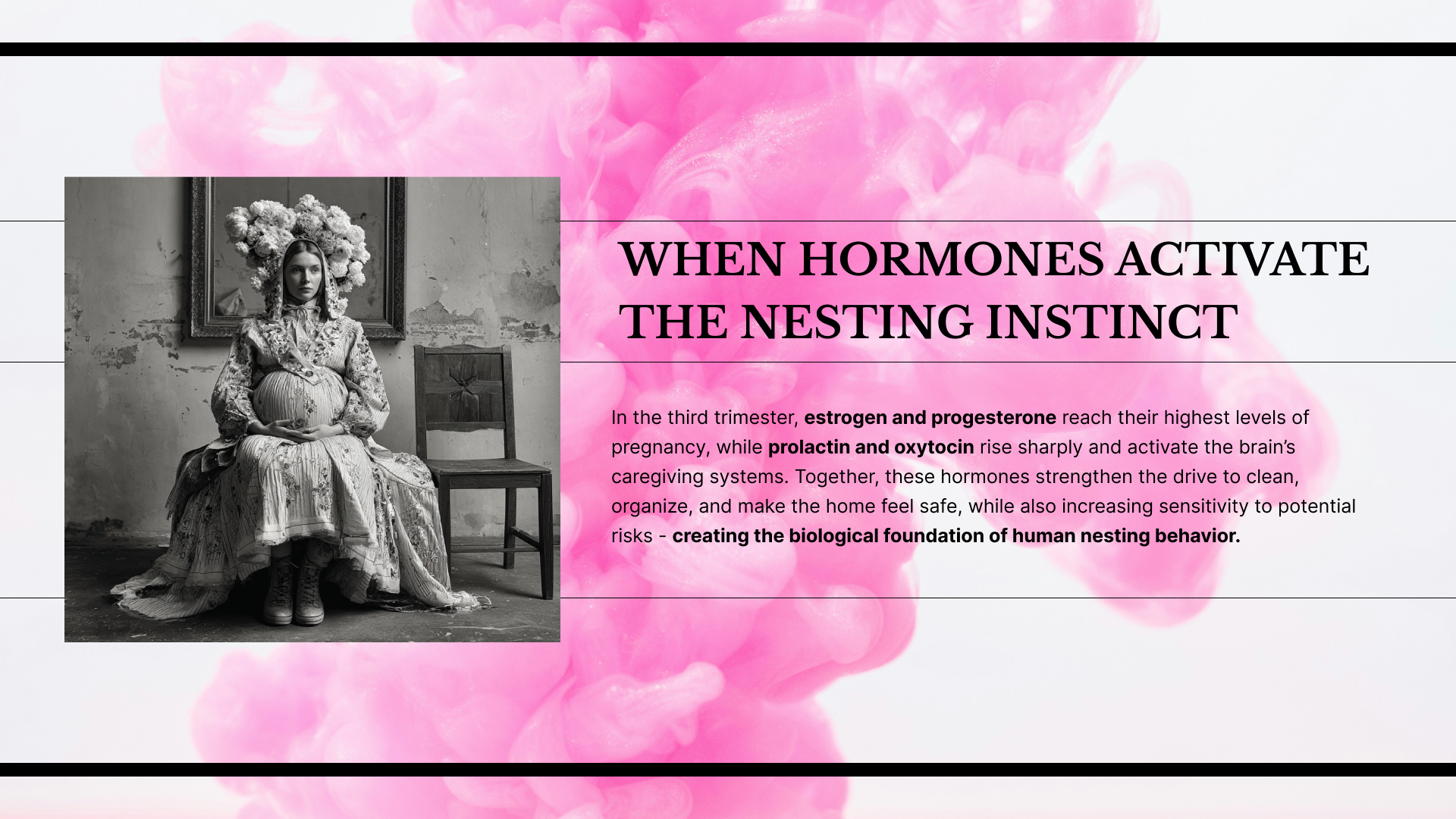
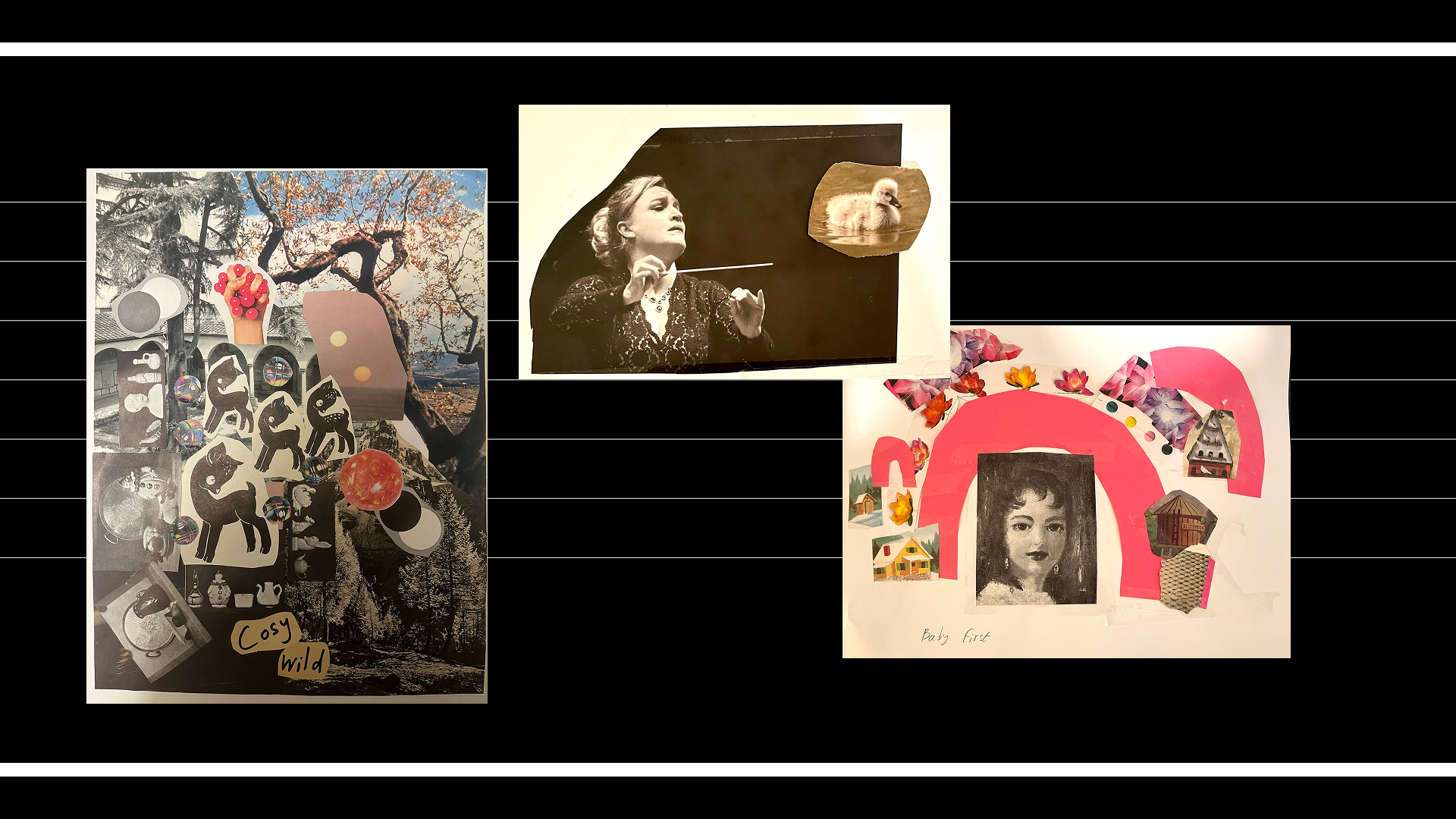
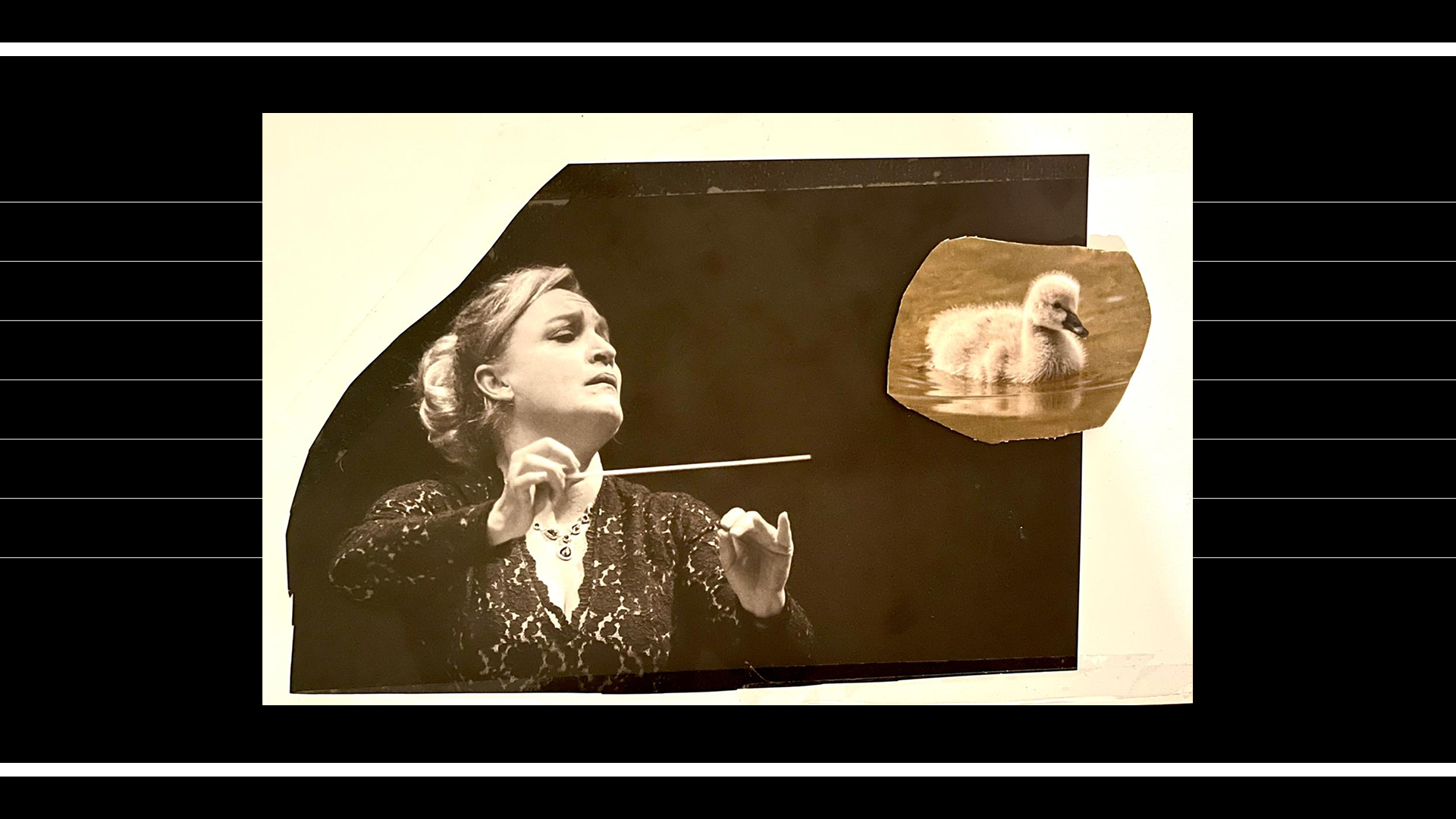
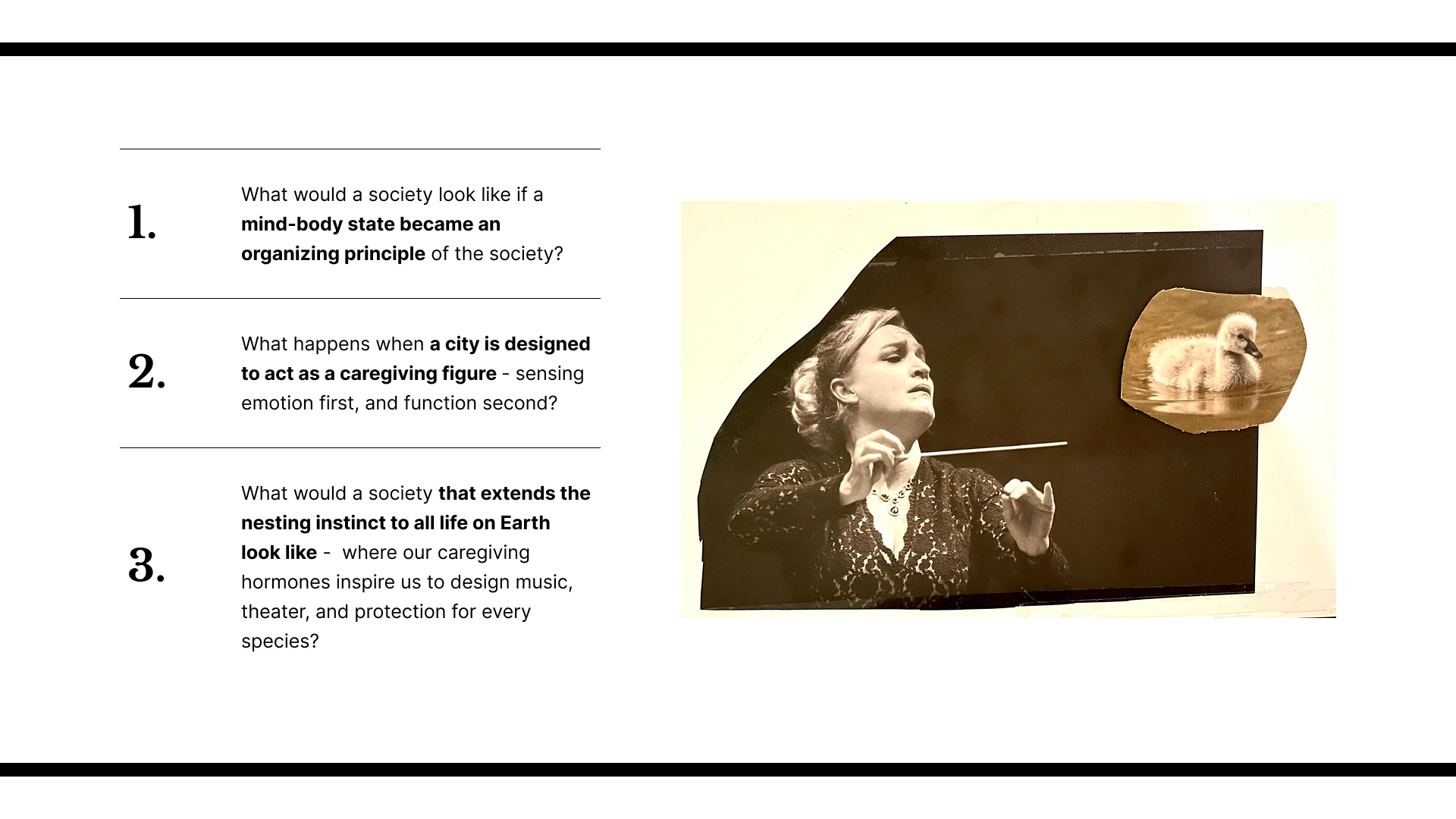
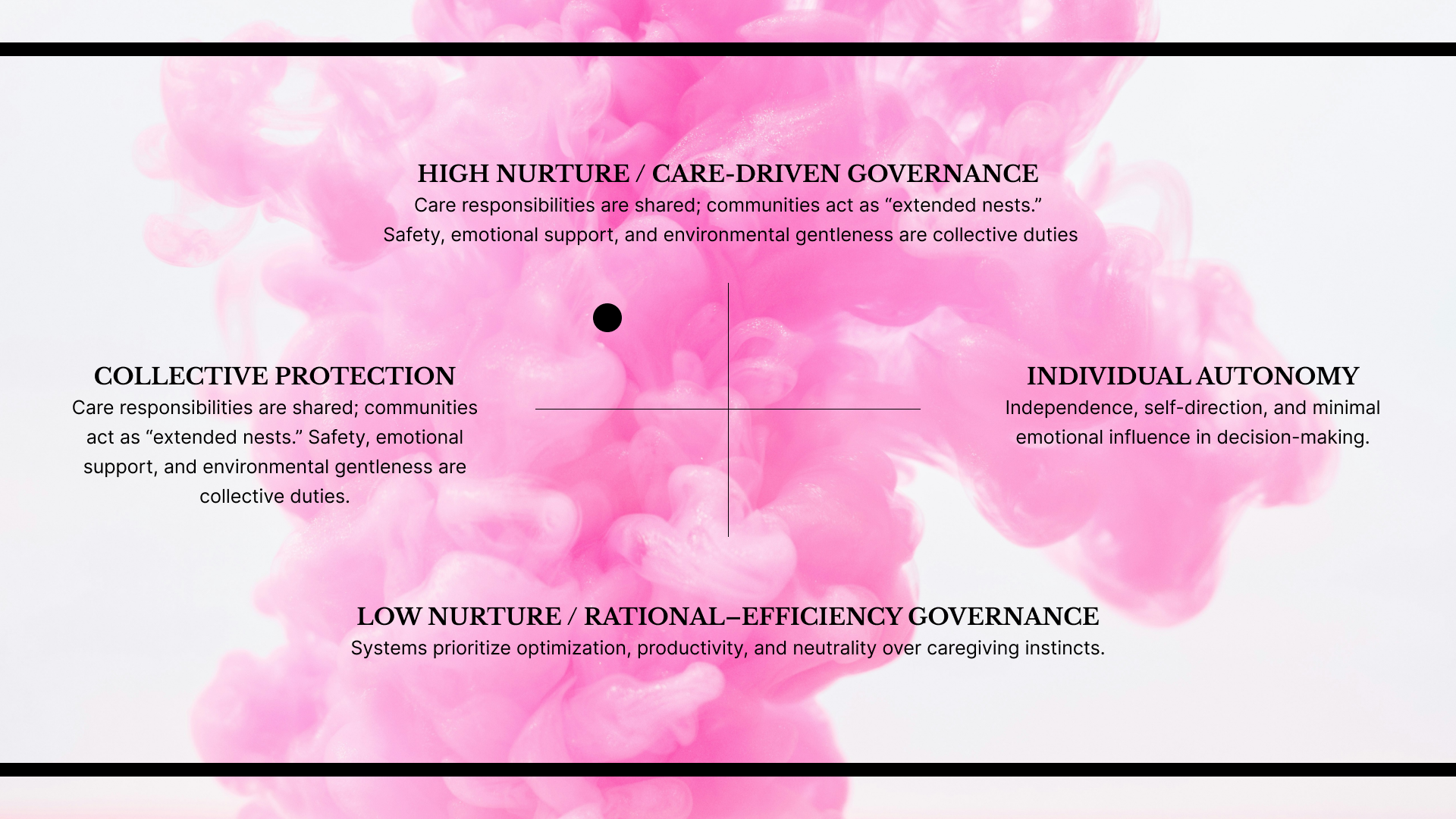
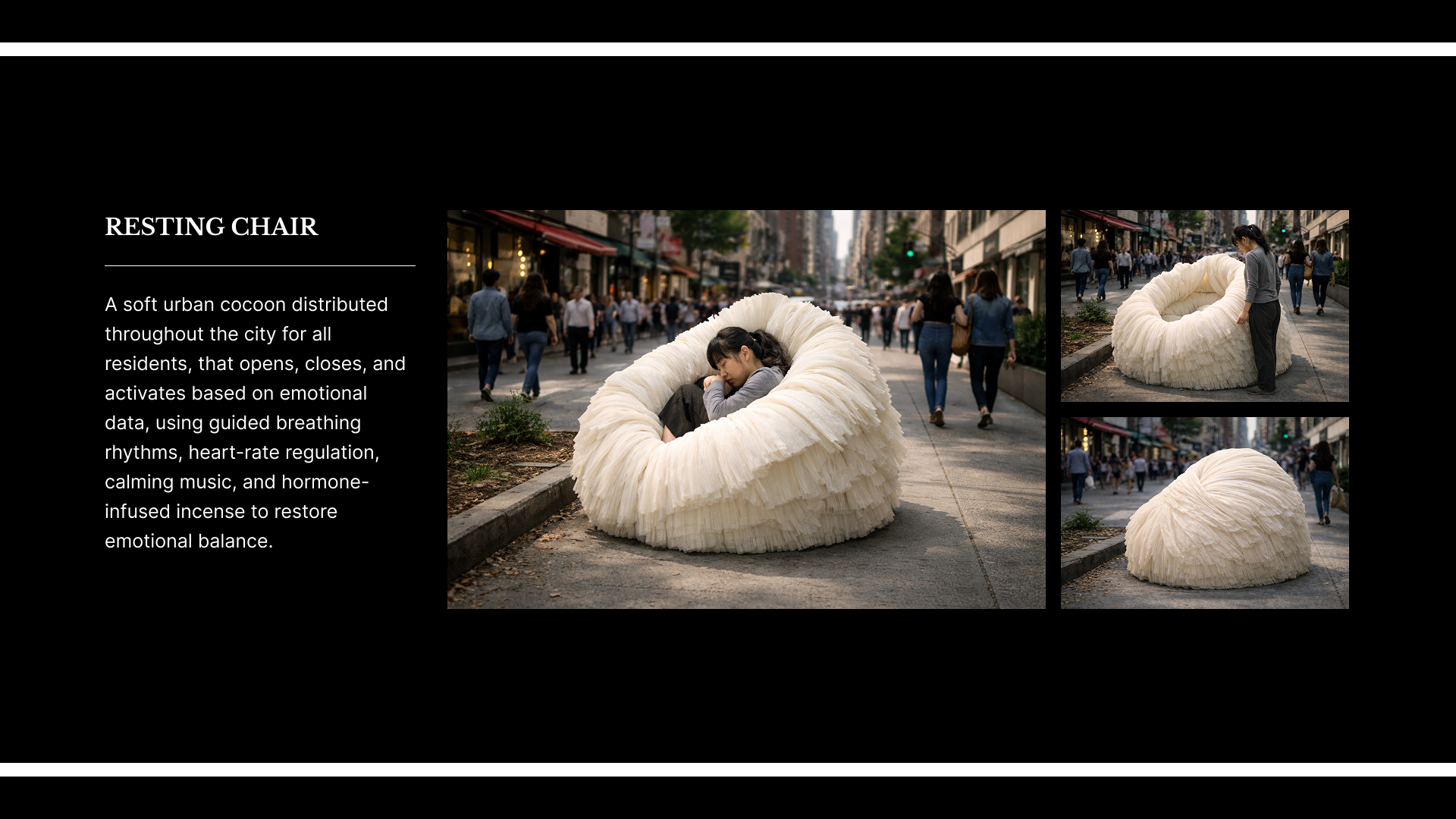
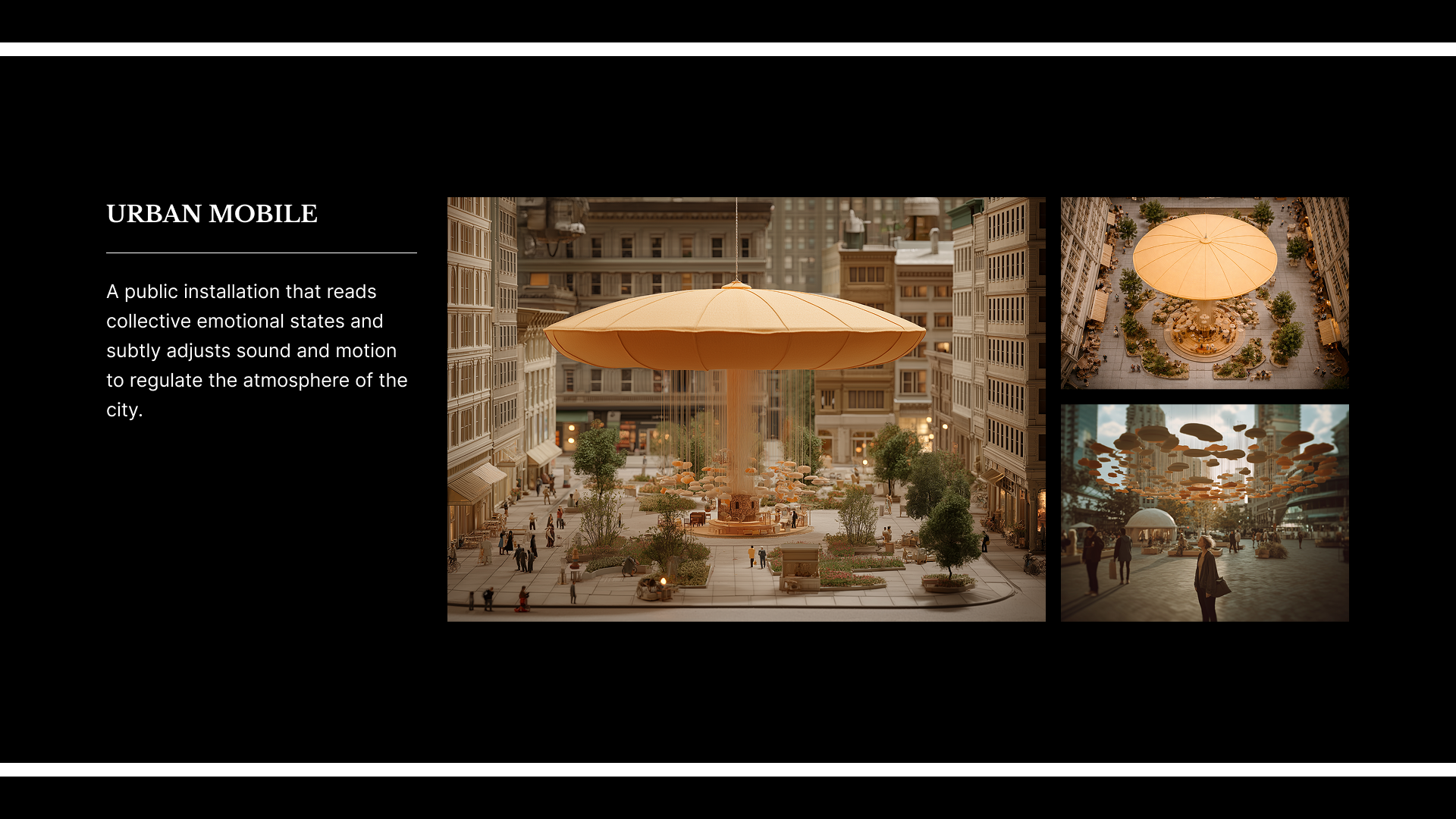
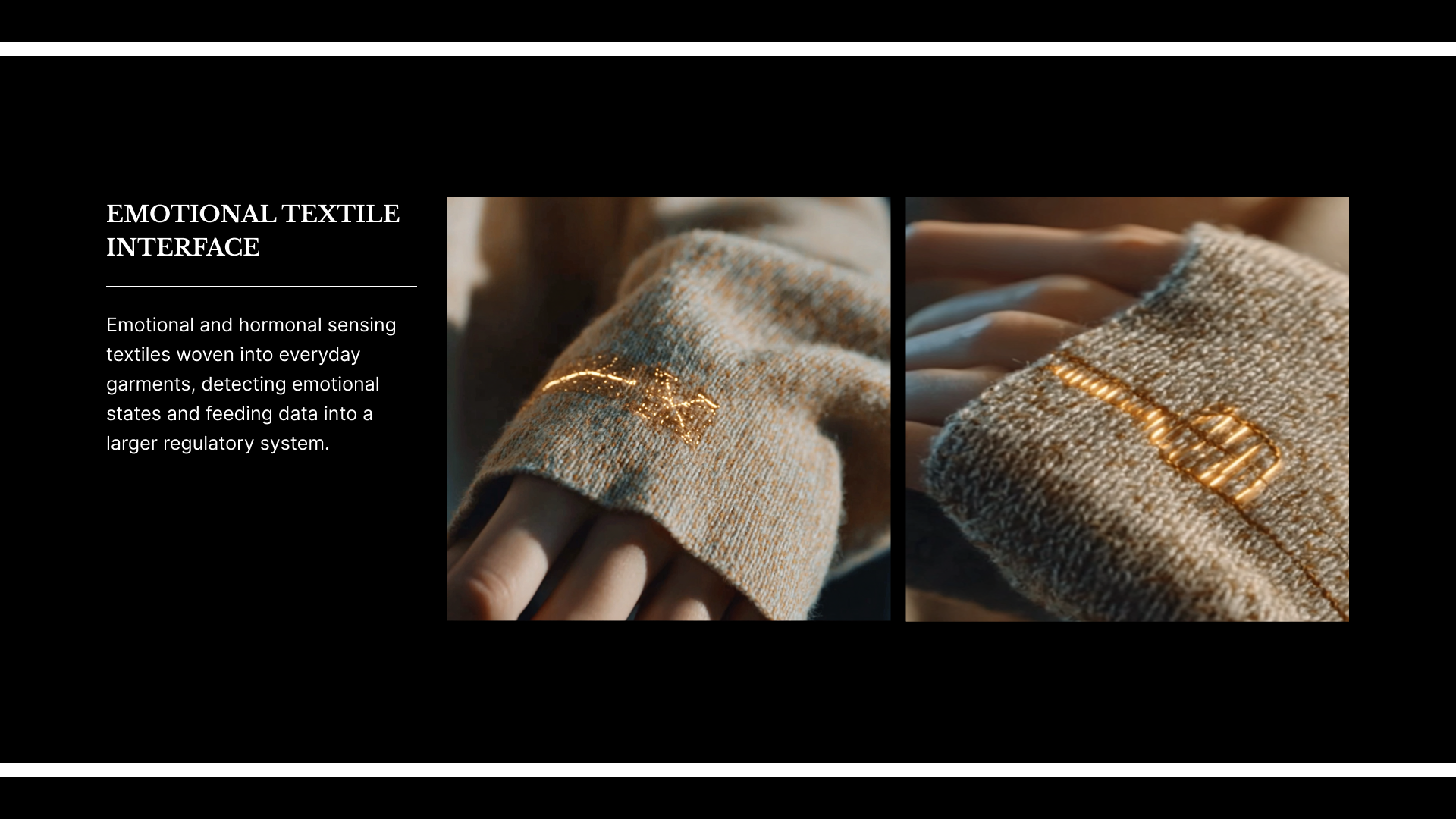
Urbanism of Care, a speculative design project exploring a future city organized around emotional regulation, collective care, and biological rhythms. The project translates psychobiological concepts such as nesting, vulnerability, and affective infrastructure into tangible design artifacts - including responsive urban environments, emotional textile interfaces, and care-oriented public objects.
Using an AI-centered creative workflow, I developed the visual world, narrative, and cinematic documentation of the project. ChatGPT supported concept development, research synthesis, and prompt engineering; Midjourney was used to generate the speculative visual language and design artifacts; Flow (Google Labs) enabled AI-based video creation and editing to produce a documentary-style narrative; and AI voice tools were used to create synthetic narration.
The project demonstrates how generative AI can function as a design partne- transforming abstract research into coherent visual systems, narrative worlds, and experiential prototypes.
View full video ︎︎︎
Read full pictorial ︎︎︎
Index Next︎
Pulse
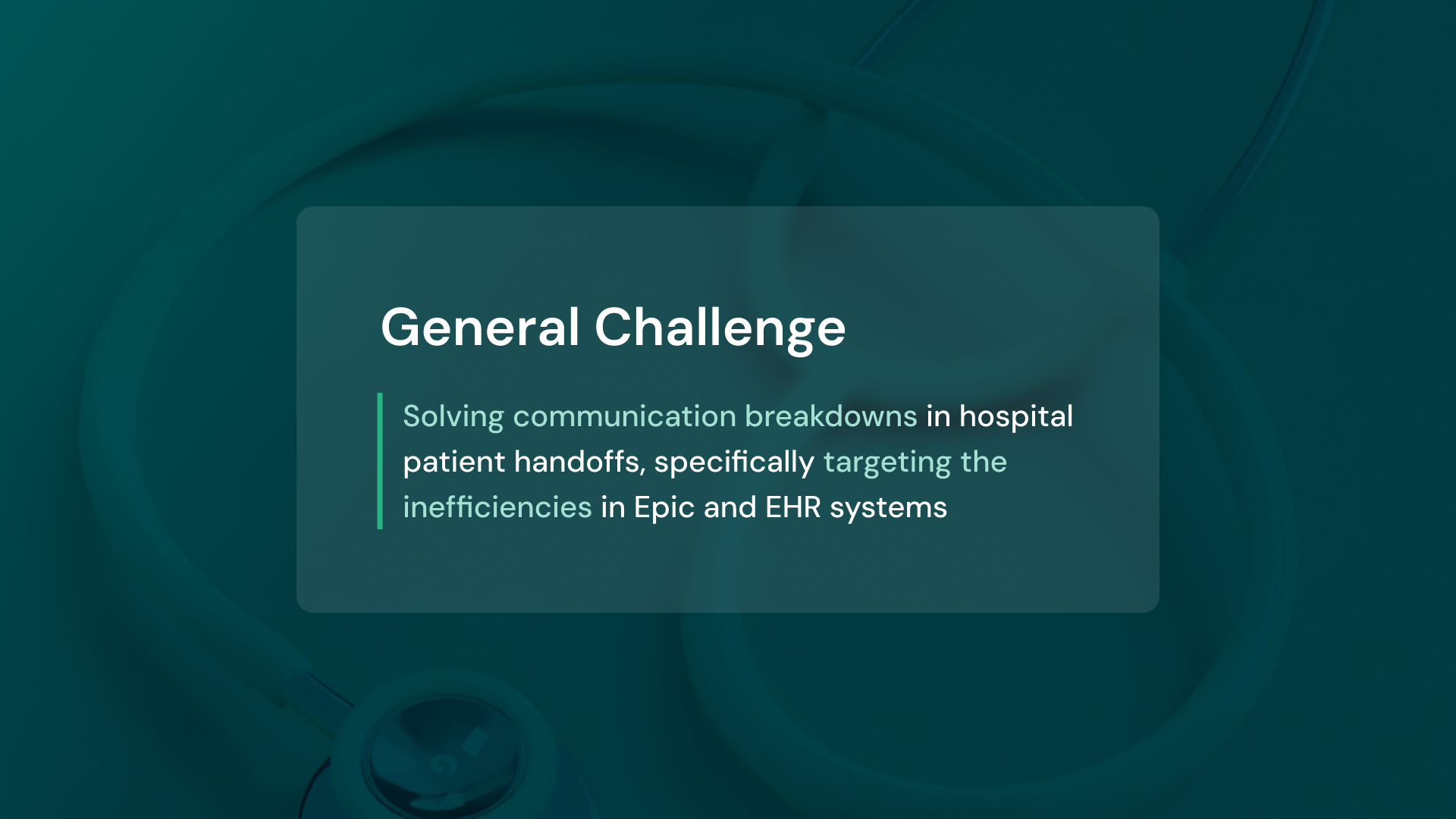
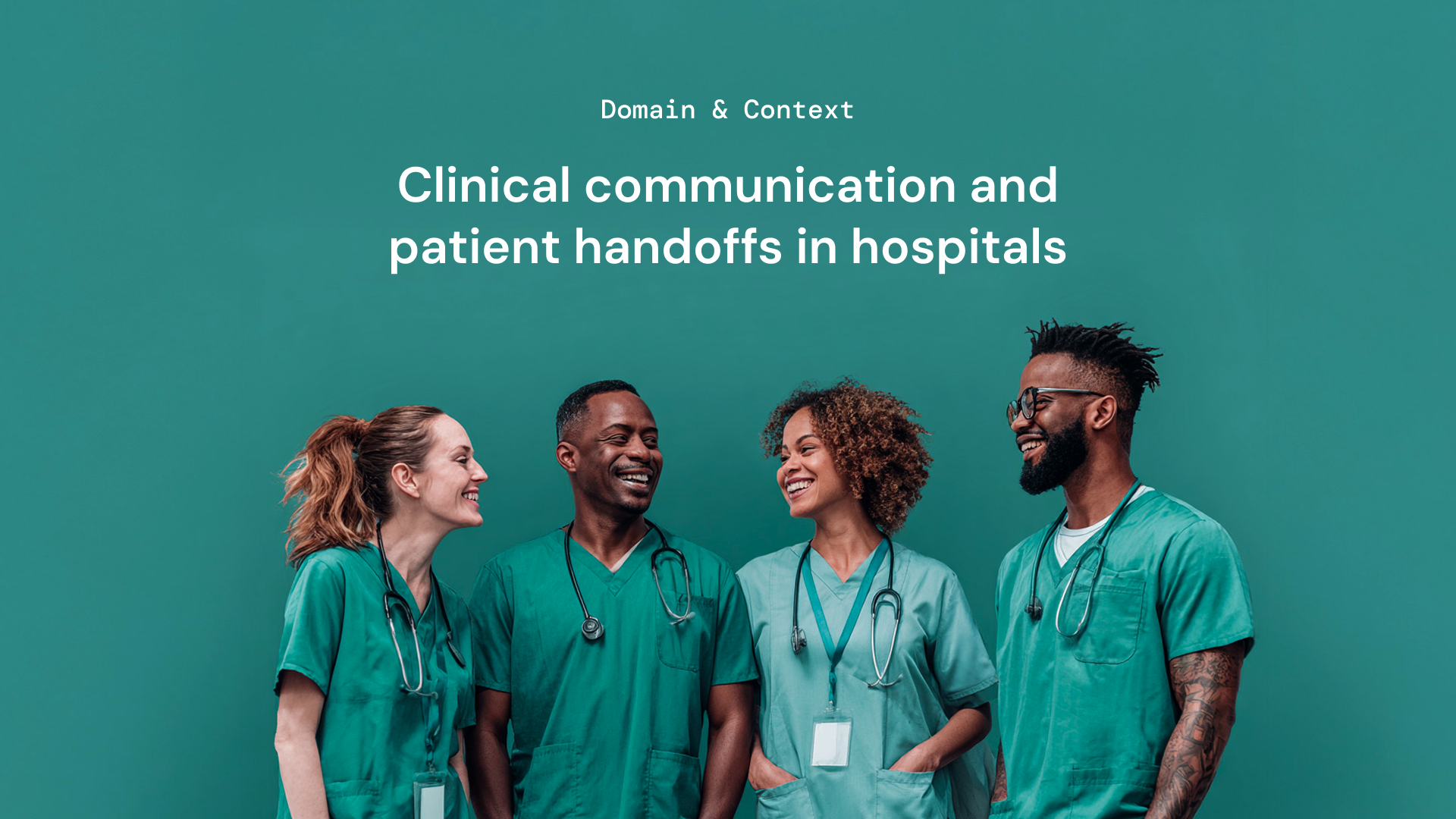
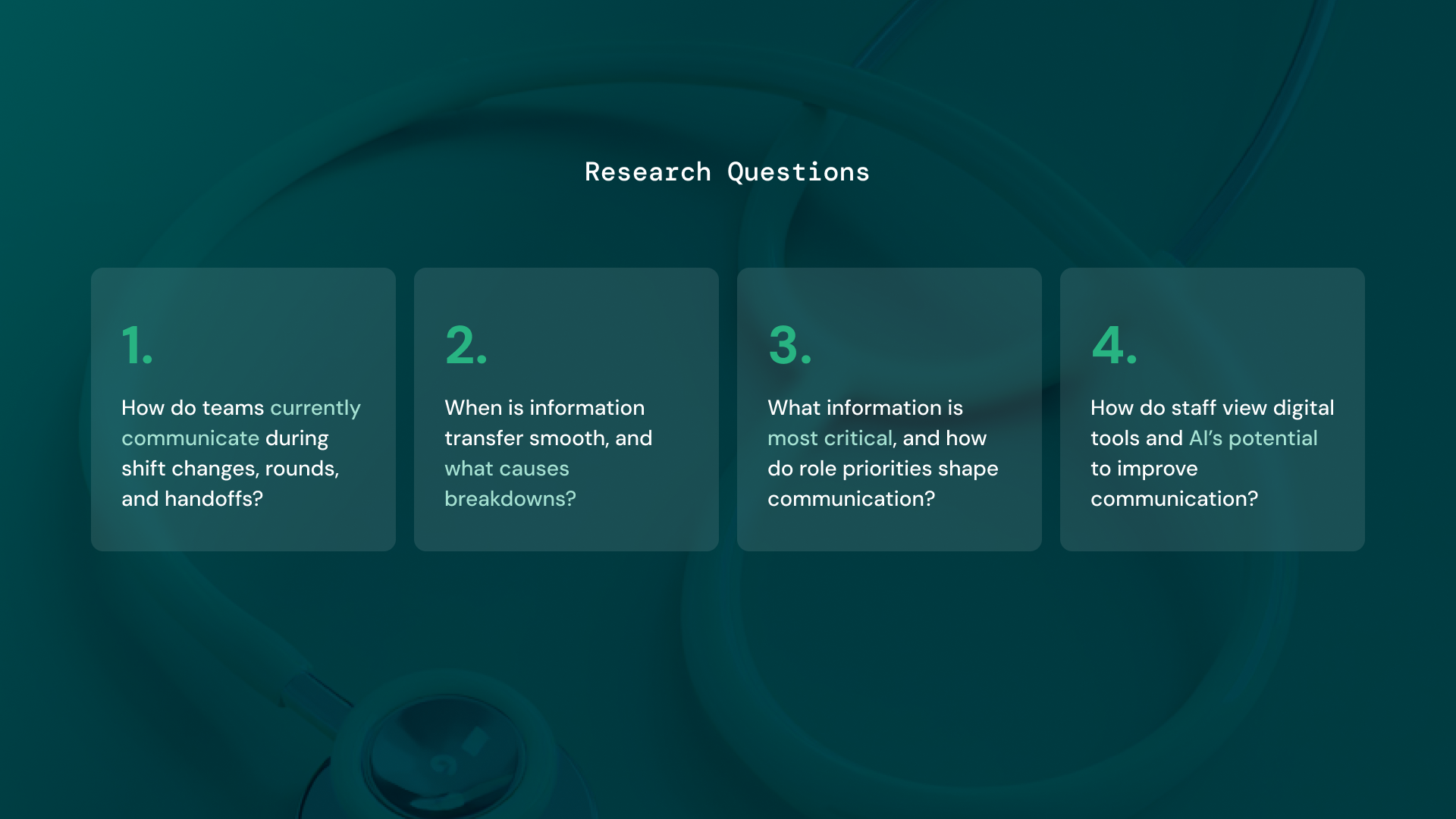
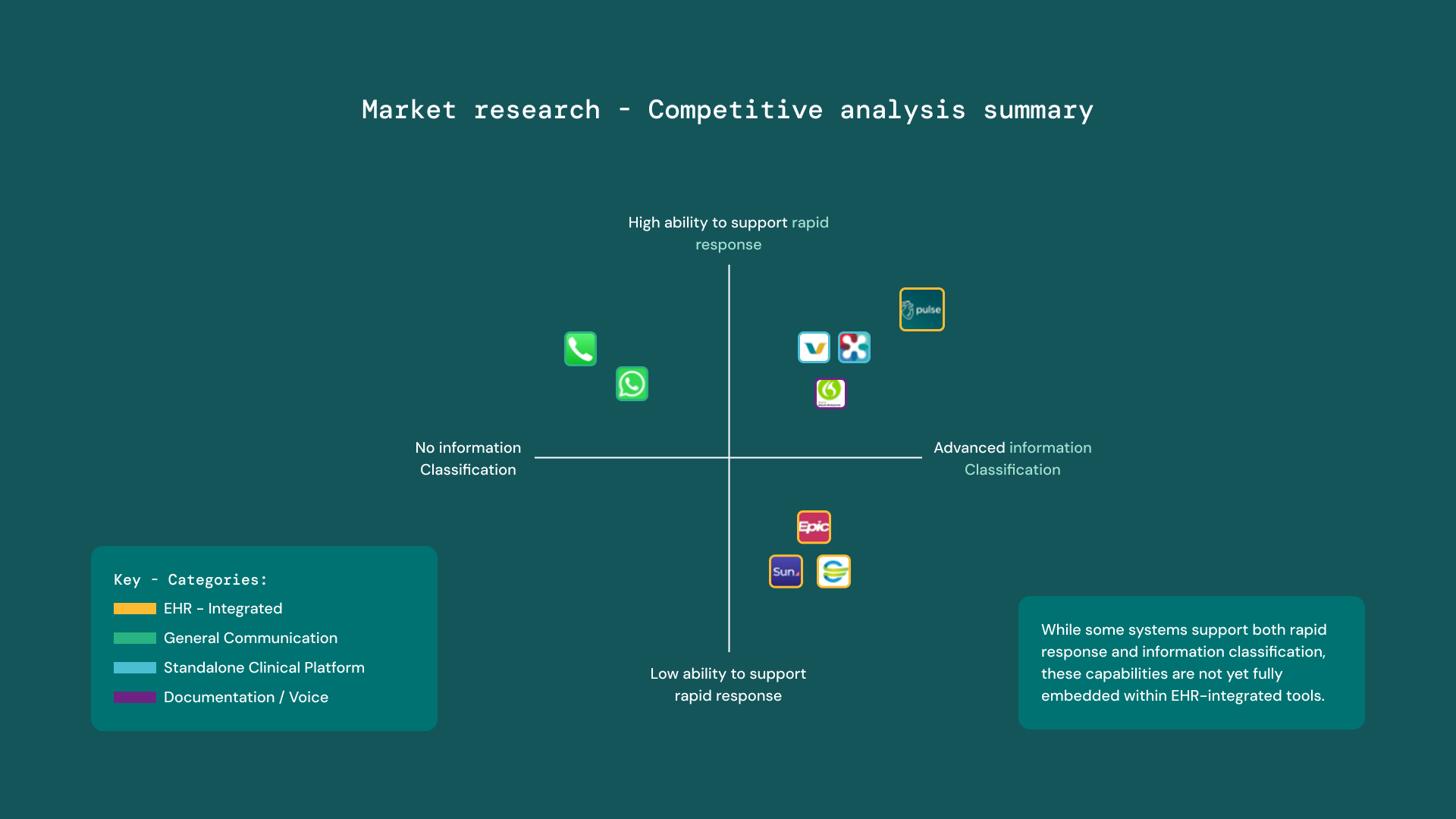
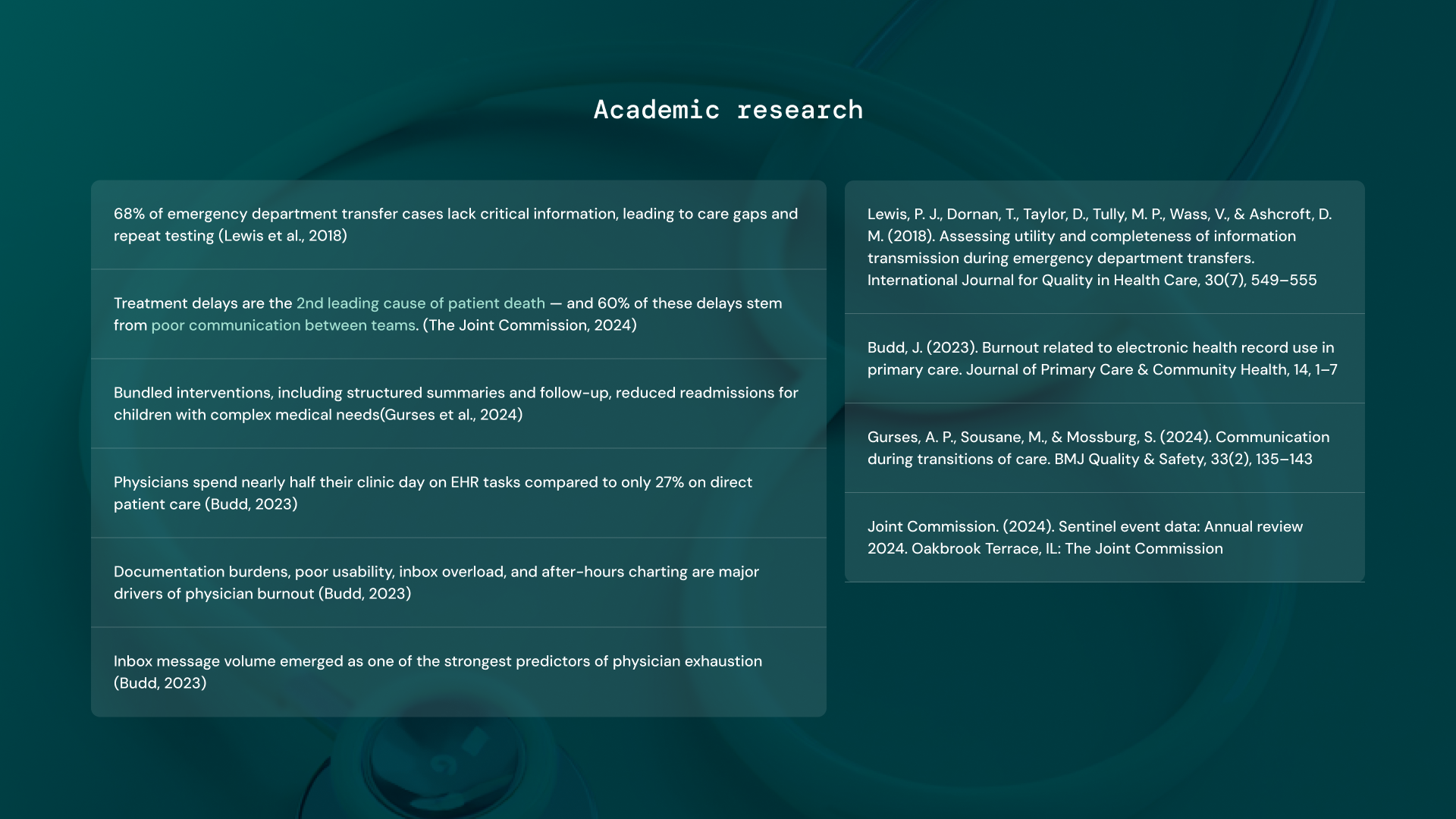
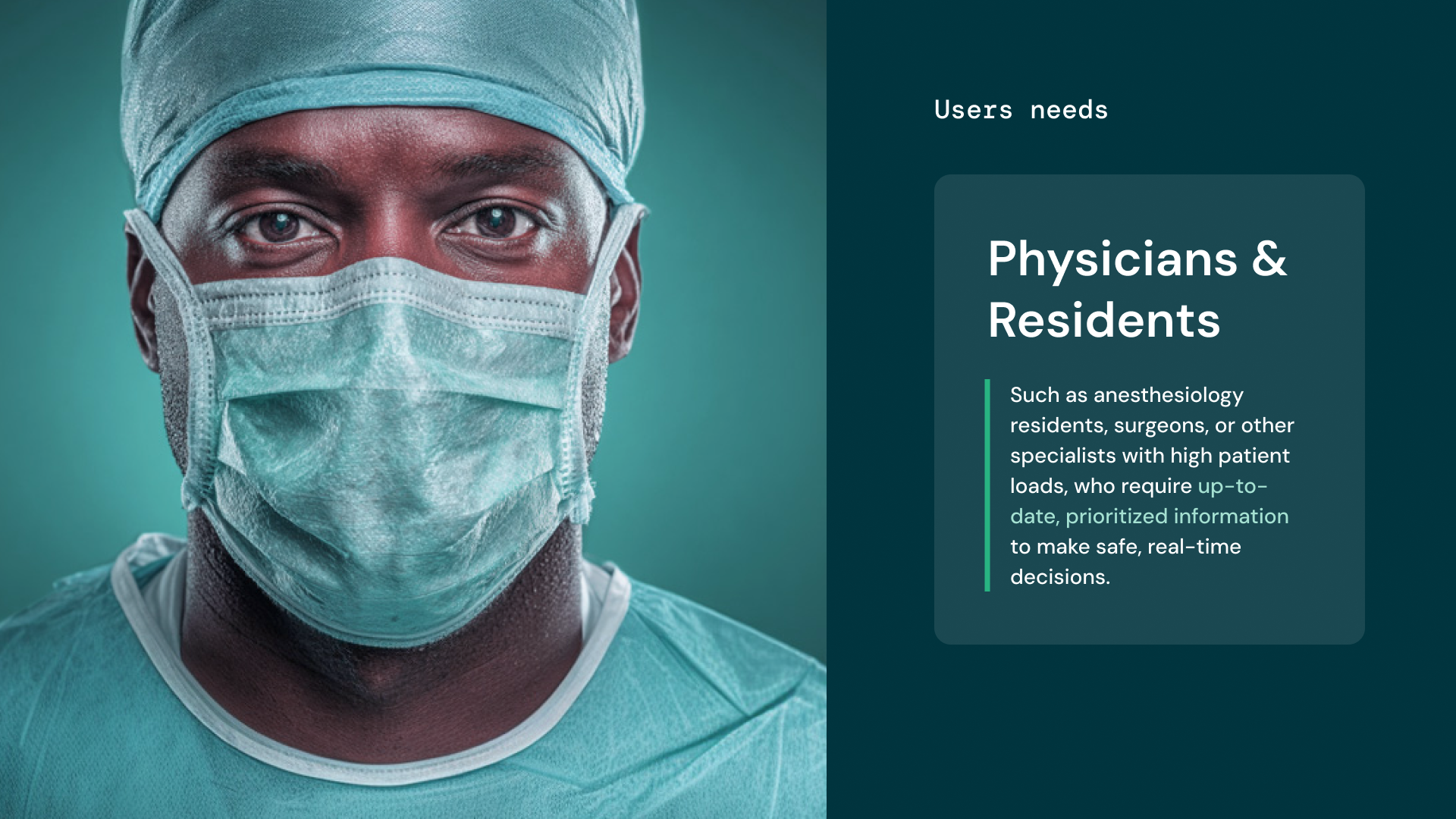
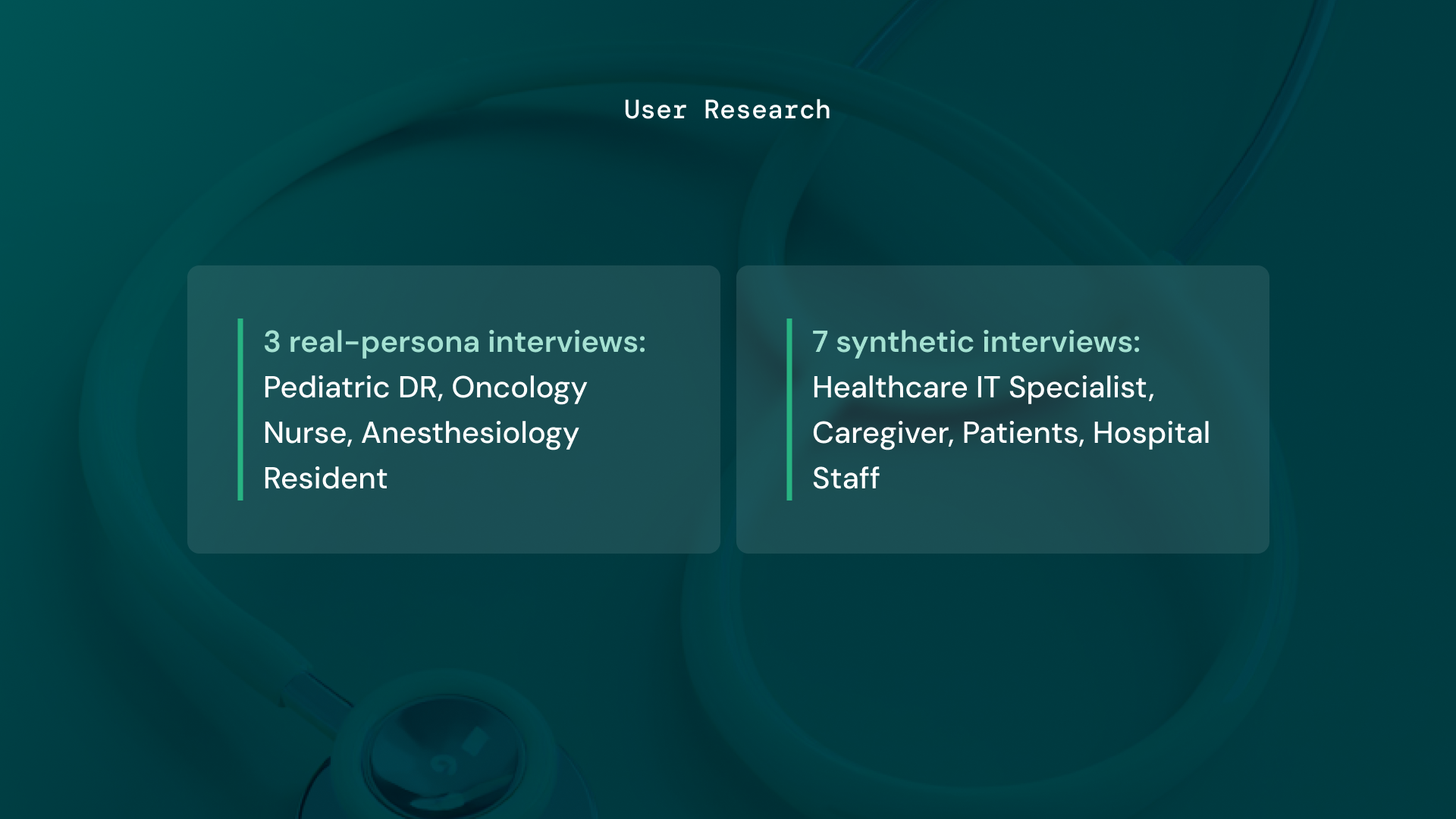
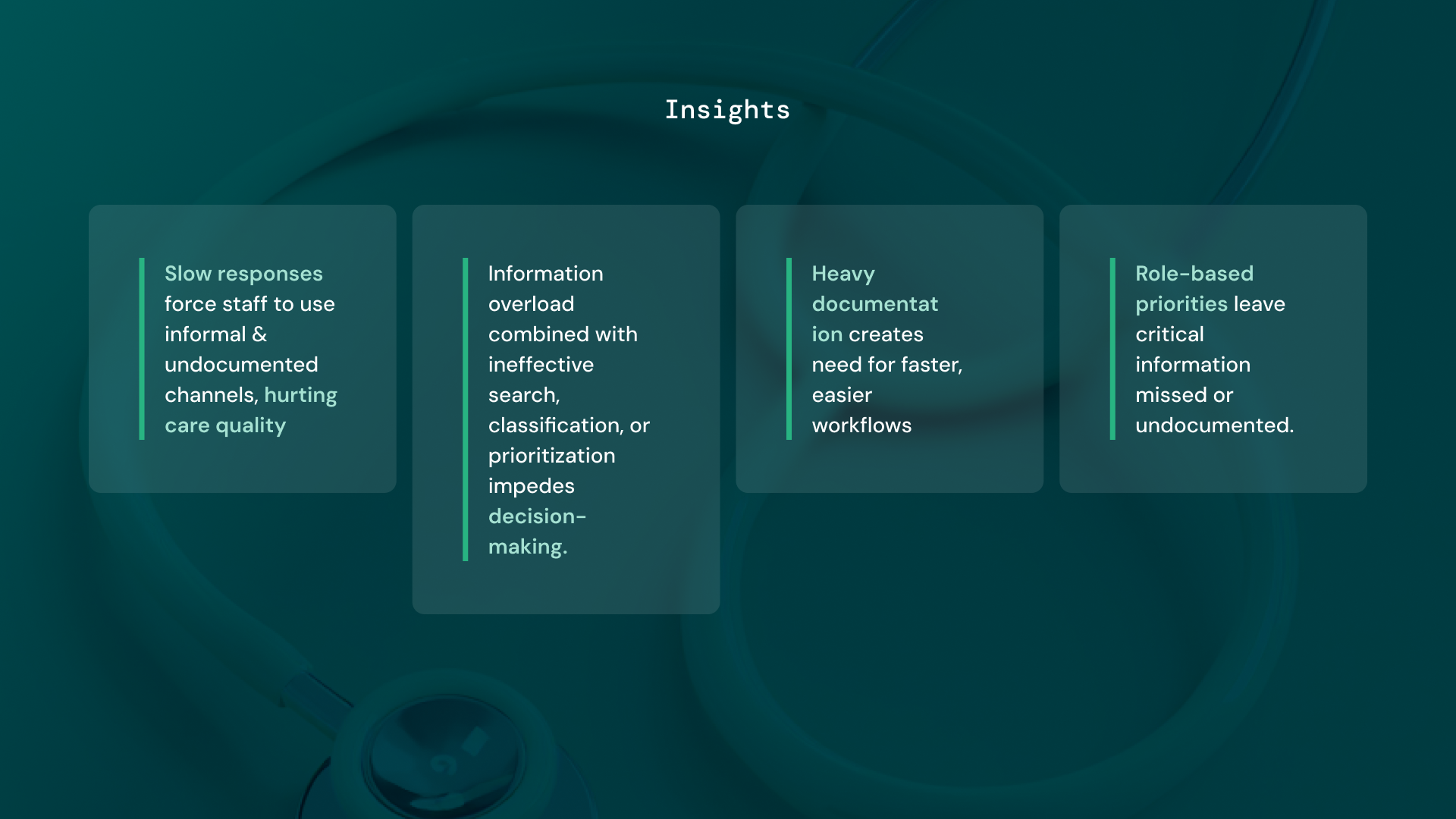
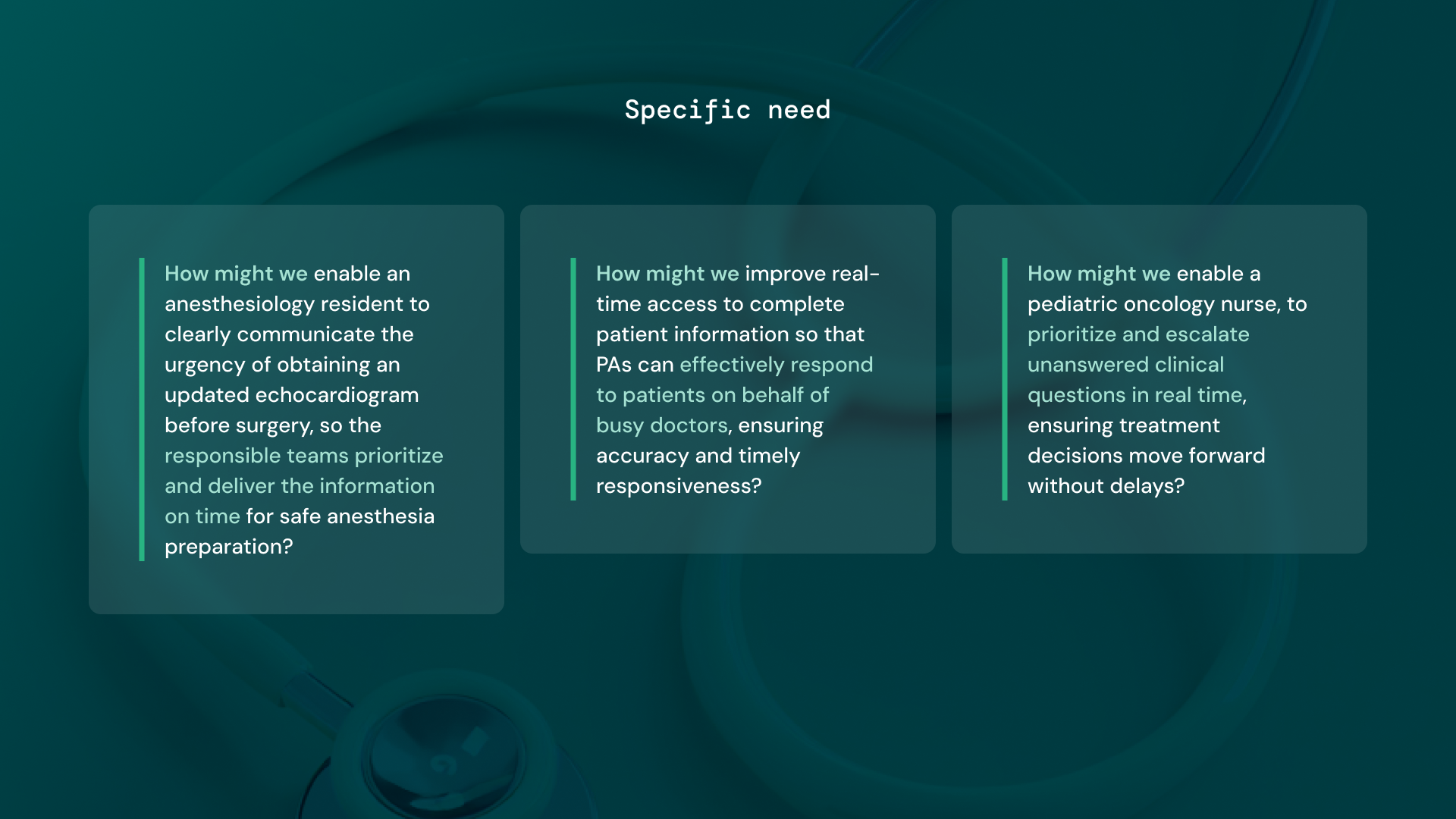
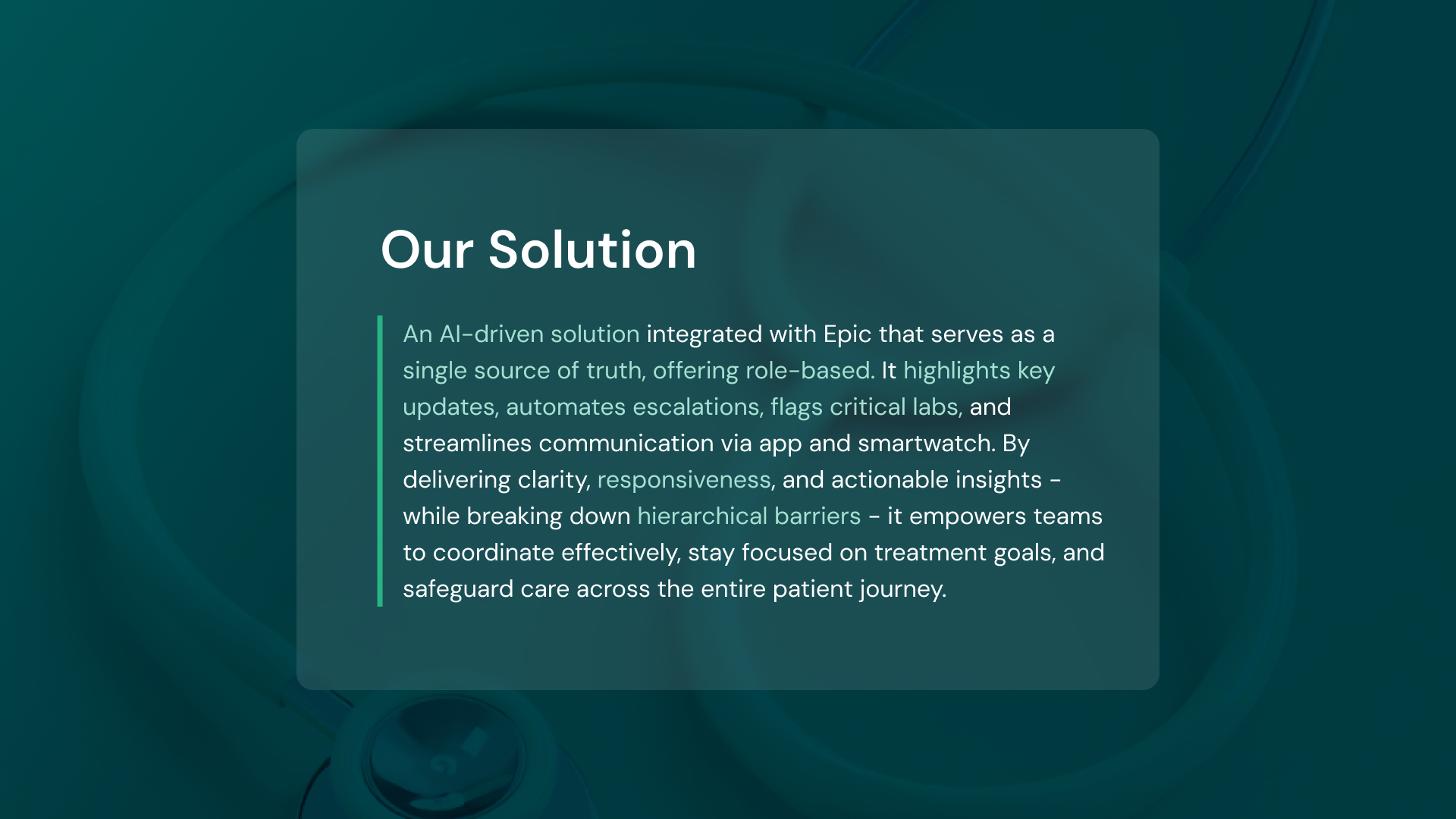
Pulse is a concept for an AI-supported communication system designed to reduce coordination breakdowns between interdisciplinary healthcare teams at Mount Sinai, especially during shift changes and patient handoffs. Research including academic literature, interviews with medical staff, AI-simulated personas, and competitor analysis revealed key challenges such as delayed responses, fragmented information, documentation overload, and unclear prioritization of critical patient data. Pulse explores how AI could improve real-time communication, reduce information overload, and surface the most relevant patient information to the right team members at the right time.
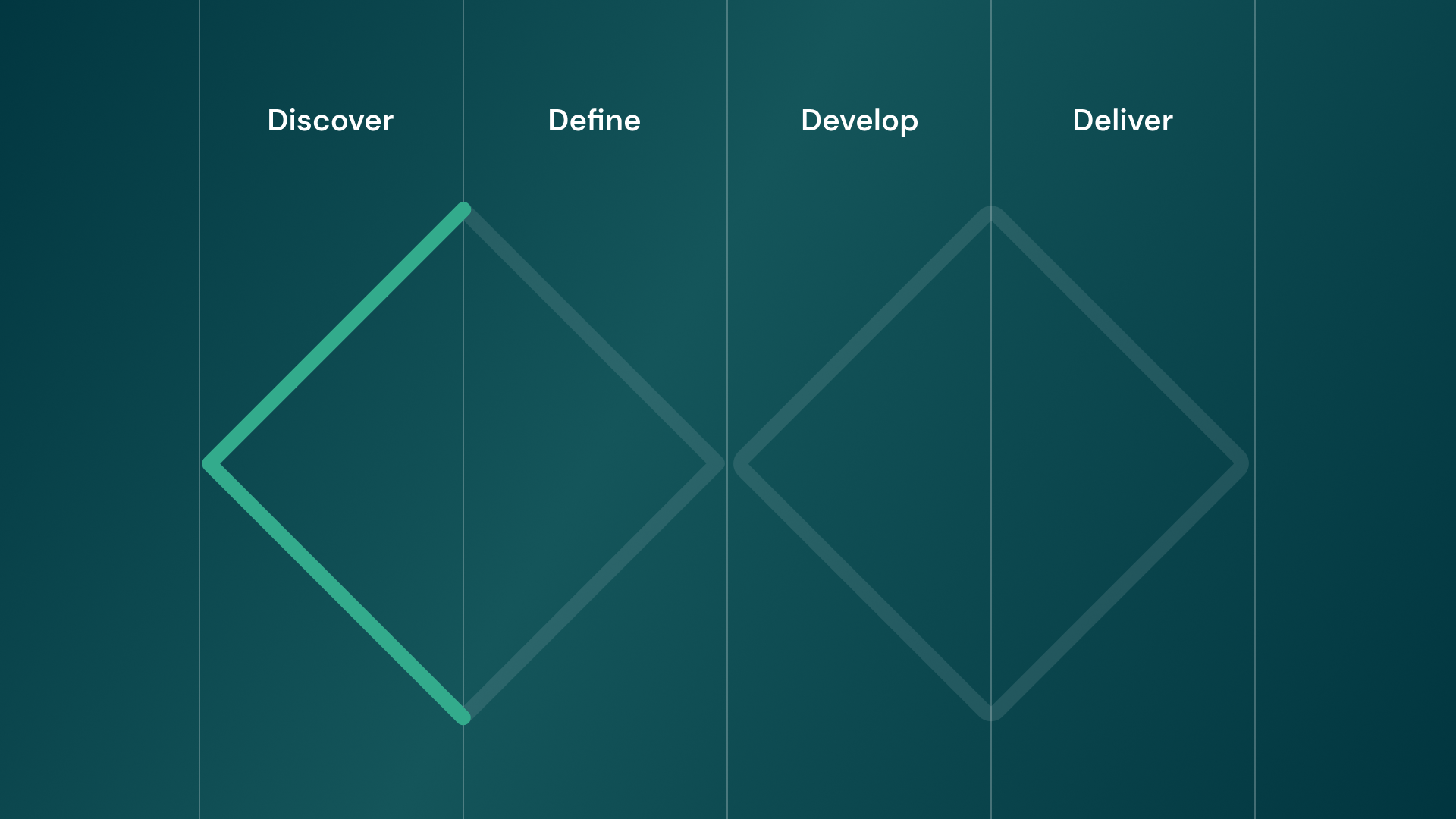
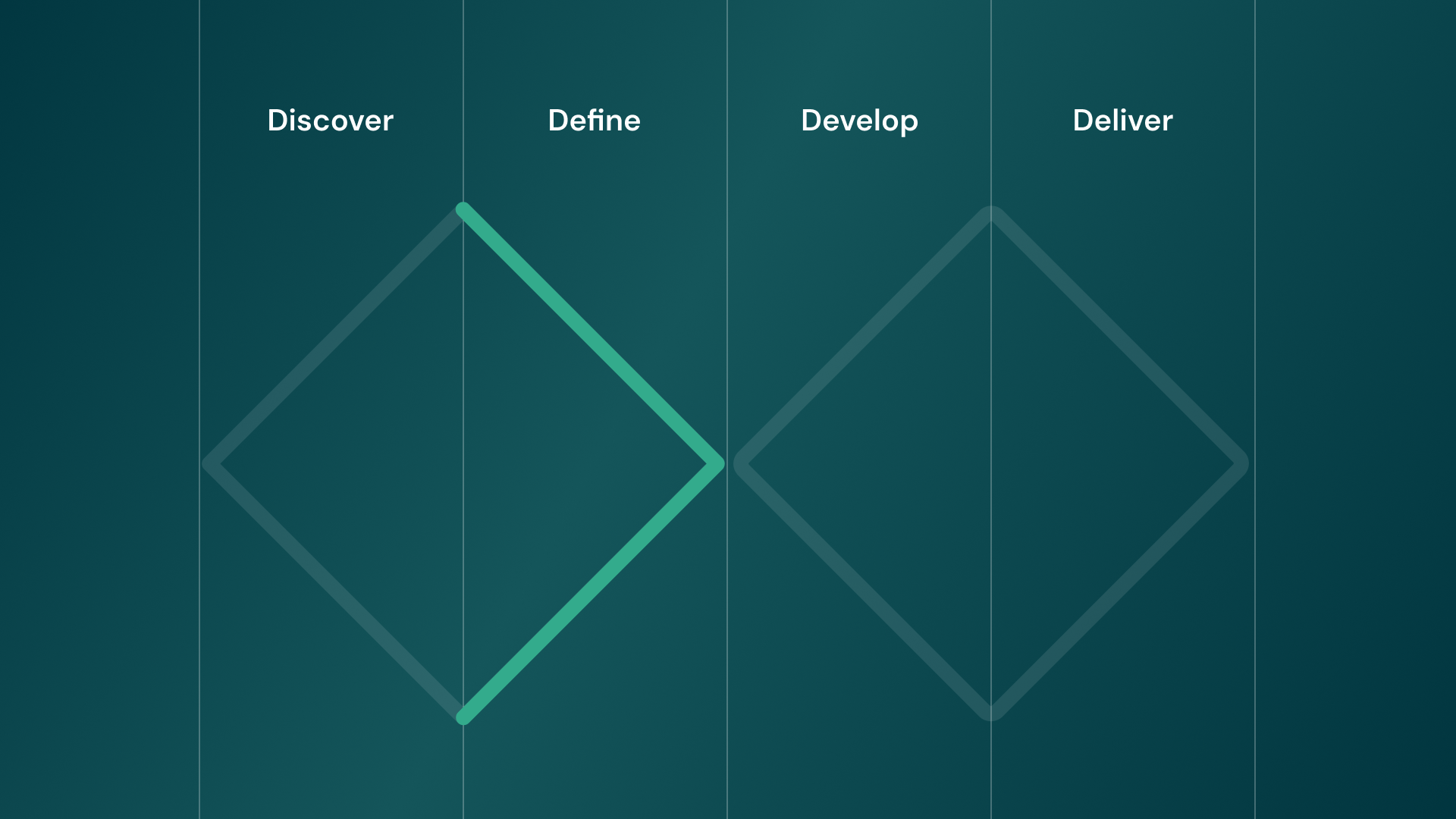
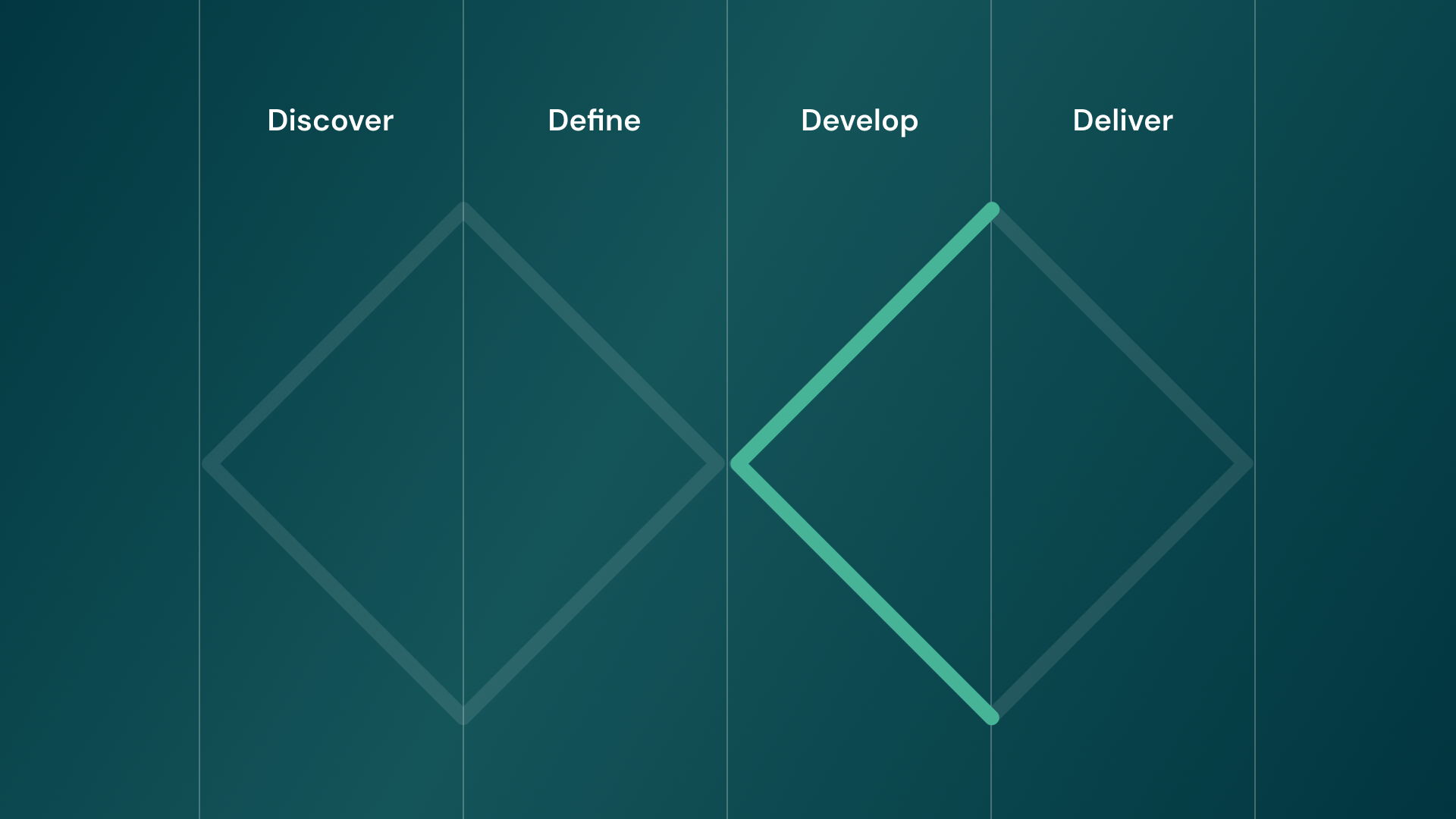
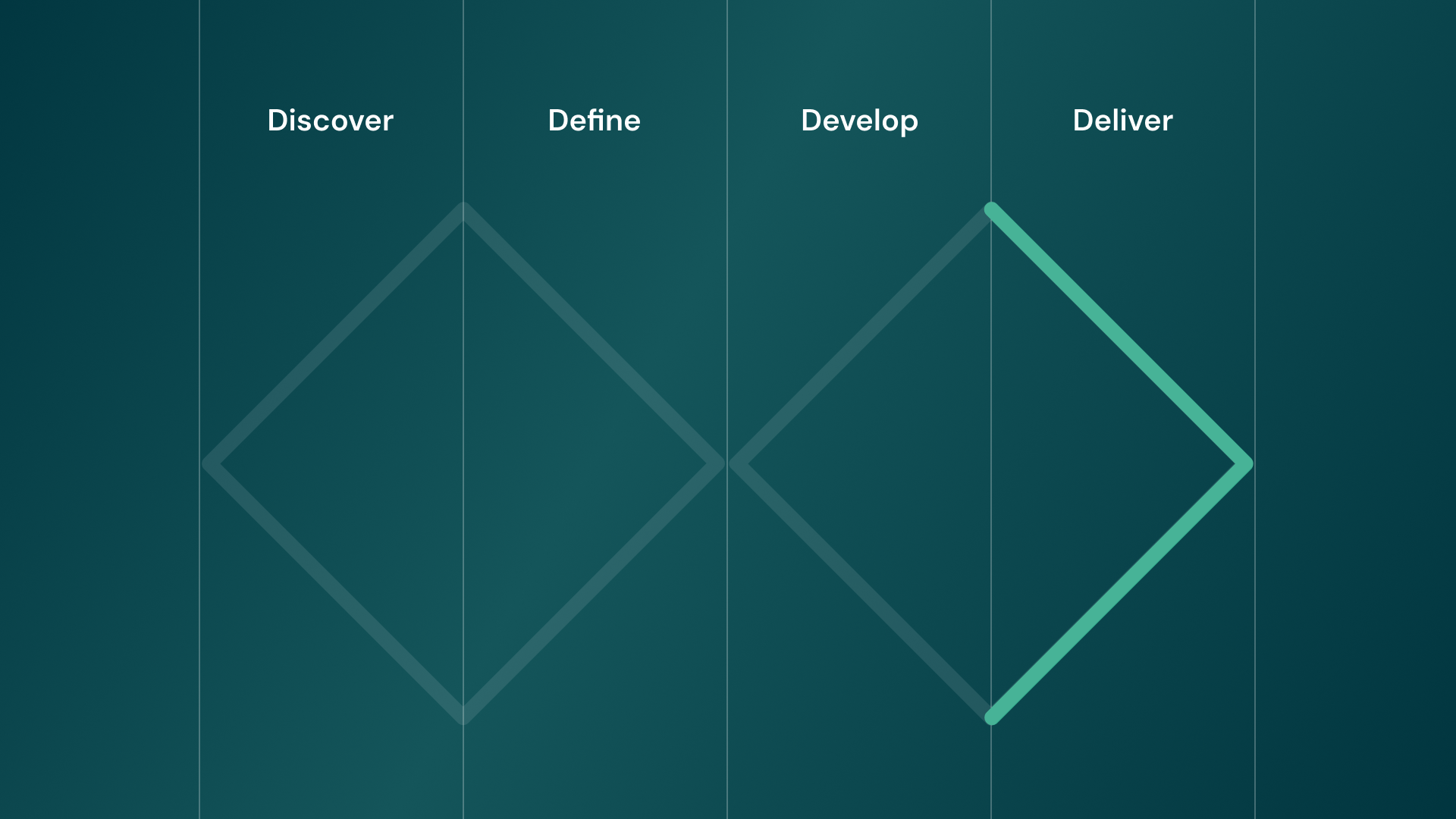
This project was developed during an intensive 4-week innovation sprint in collaboration with Wix, Base44, and Mount Sinai Hospital, using the Double Diamond methodology, UX research, AI tools, and rapid prototyping to deliver a functional prototype and live demo.